Choosing Between New And Established Homes In Chatham
July 2, 2026
July 2, 2026
Trying to decide between a brand-new home and an established one in Chatham? You are not alone. In a growing village where newer subdivision phases sit alongside long-established neighborhoods, the right choice often comes down to how you want to live, what upkeep you are comfortable with, and how you want your monthly costs to feel. This guide will help you compare both options in practical terms so you can move forward with more confidence. Let’s dive in.
Chatham gives you a real mix of housing options. The village has grown from 11,500 residents in 2010 to 14,377 in 2020, with an estimated 14,579 residents in July 2025. That steady growth helps explain why buyers here are often choosing between newer edge-of-town development and more established subdivisions.
Village planning and budget documents also point to continued residential expansion. Chatham has been reviewing new subdivision development and annexations, and the FY2025 budget references electric service for Foxx Creek Plat 10, a new subdivision plat. In other words, you are not choosing in a fully built-out market. You are comparing two active paths within the same community.
If you want a cleaner slate, new construction can be appealing. Current Chatham new-home listings show a smaller but active selection, with visible completed listings ranging from about $399,900 to $1,060,000, along with buildable plans. That means you may be comparing homes that are move-in ready with homes that still need to be built.
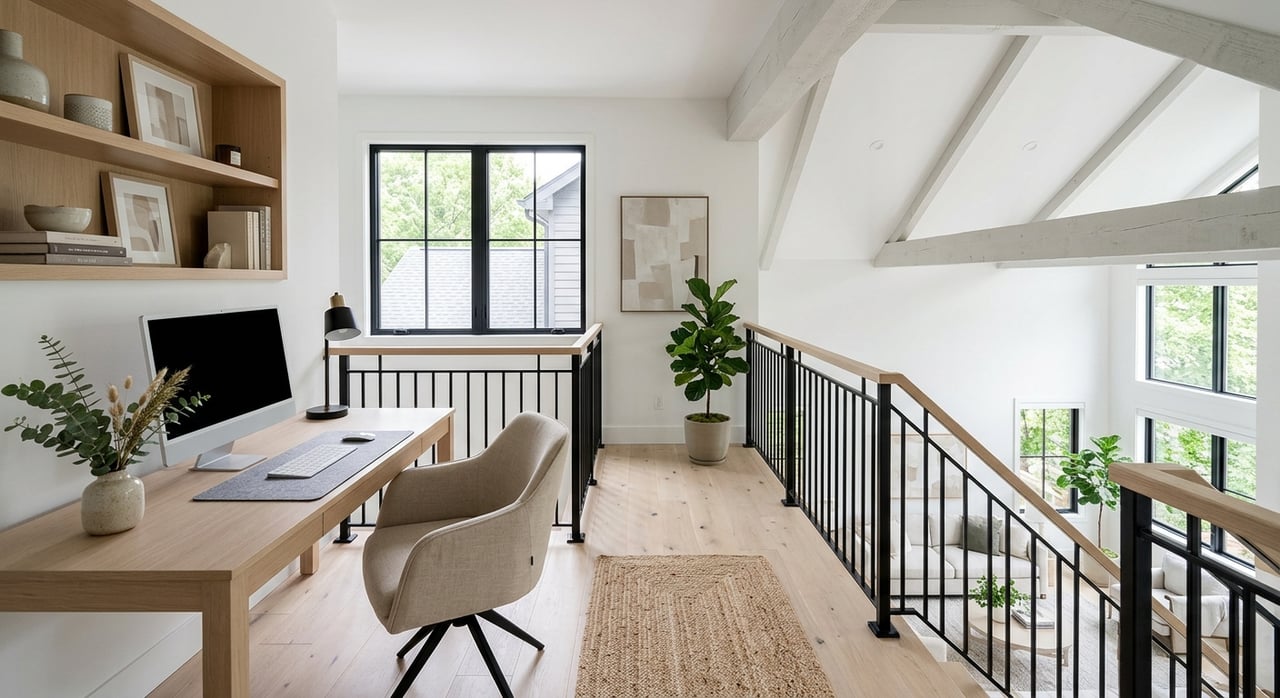
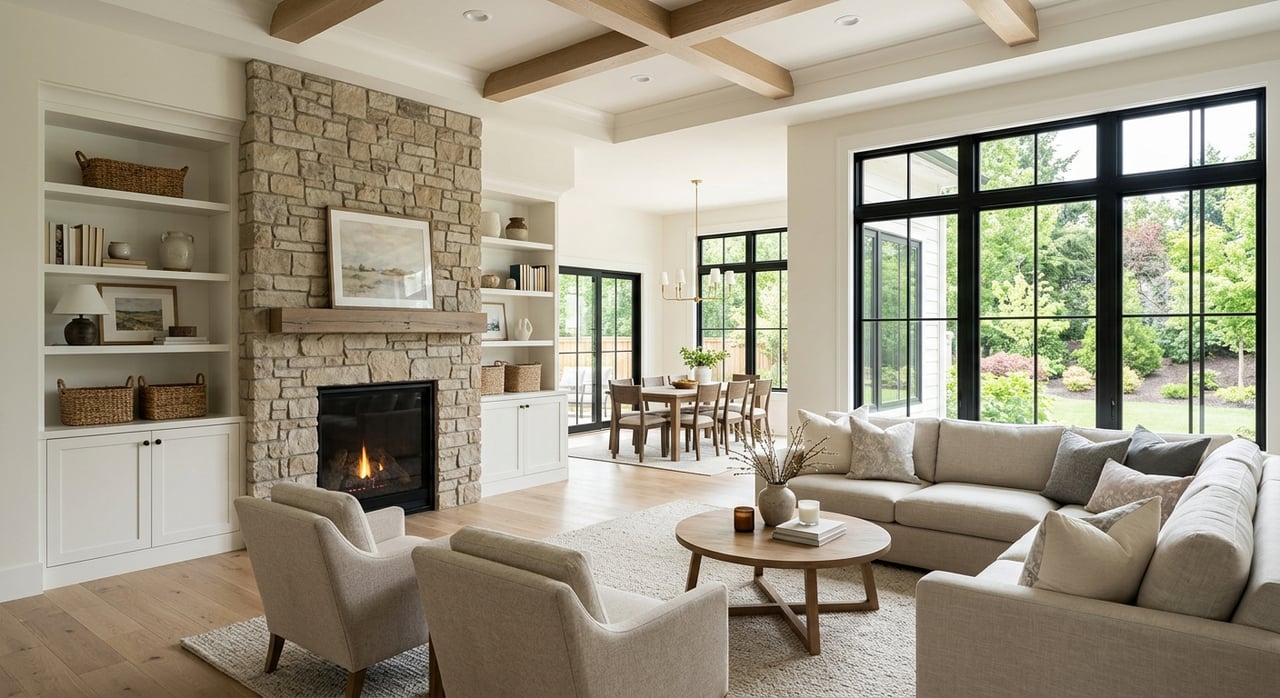
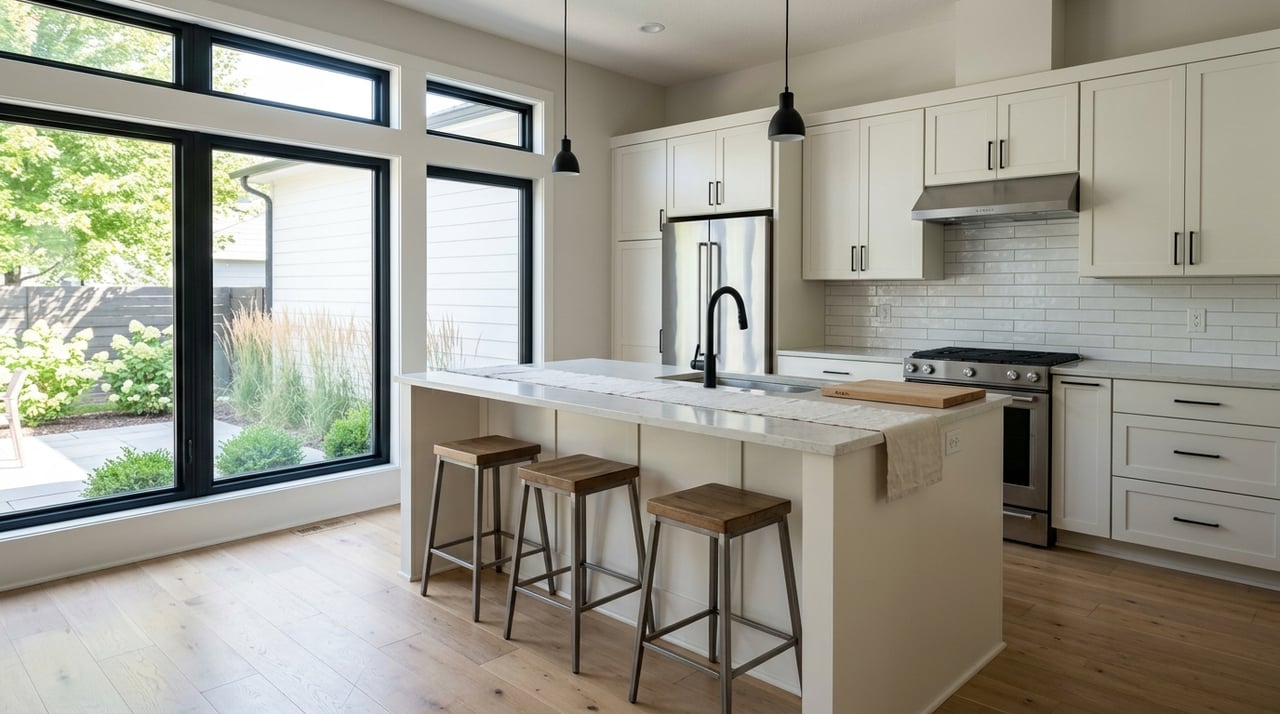
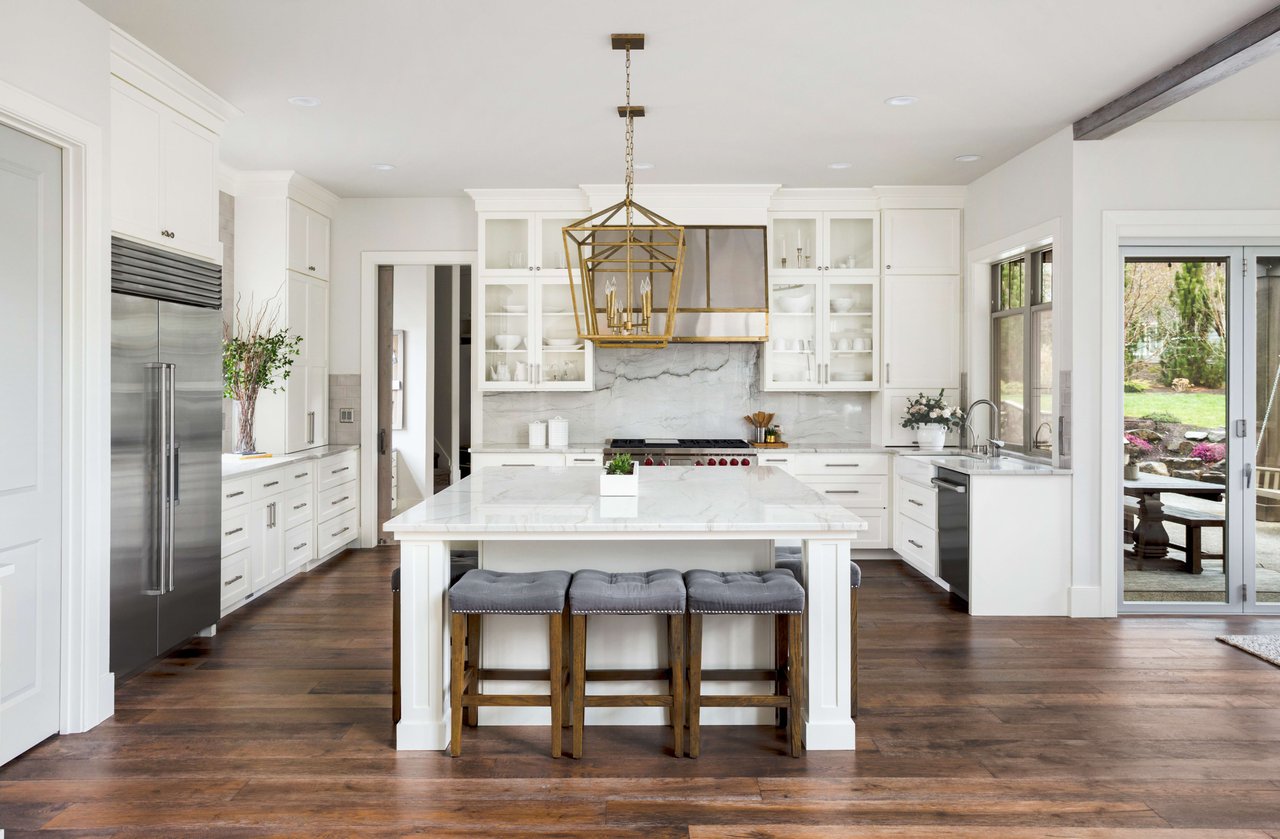
Many new-home listings in Chatham emphasize features like open main floors, quartz islands, and large walk-in pantries. If your wish list includes a modern layout and current finish styles, newer homes may line up well with what you want. For many buyers, that day-to-day function matters just as much as square footage.
Another advantage is efficiency potential. ENERGY STAR Residential New Construction homes must meet strict efficiency requirements, and EPA WaterSense labeled homes are designed to be 30% more water-efficient than typical new construction. That does not mean every new home has these features, but it does mean newer homes may offer lower utility use if they include those standards.
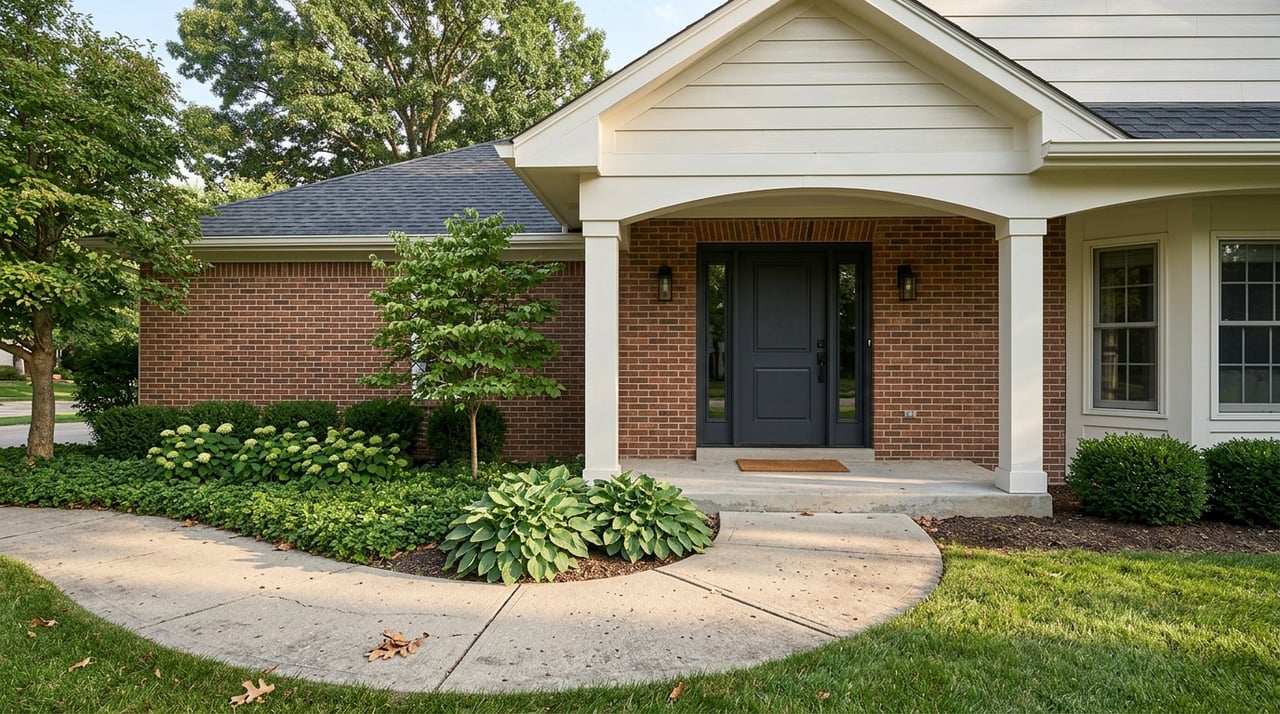
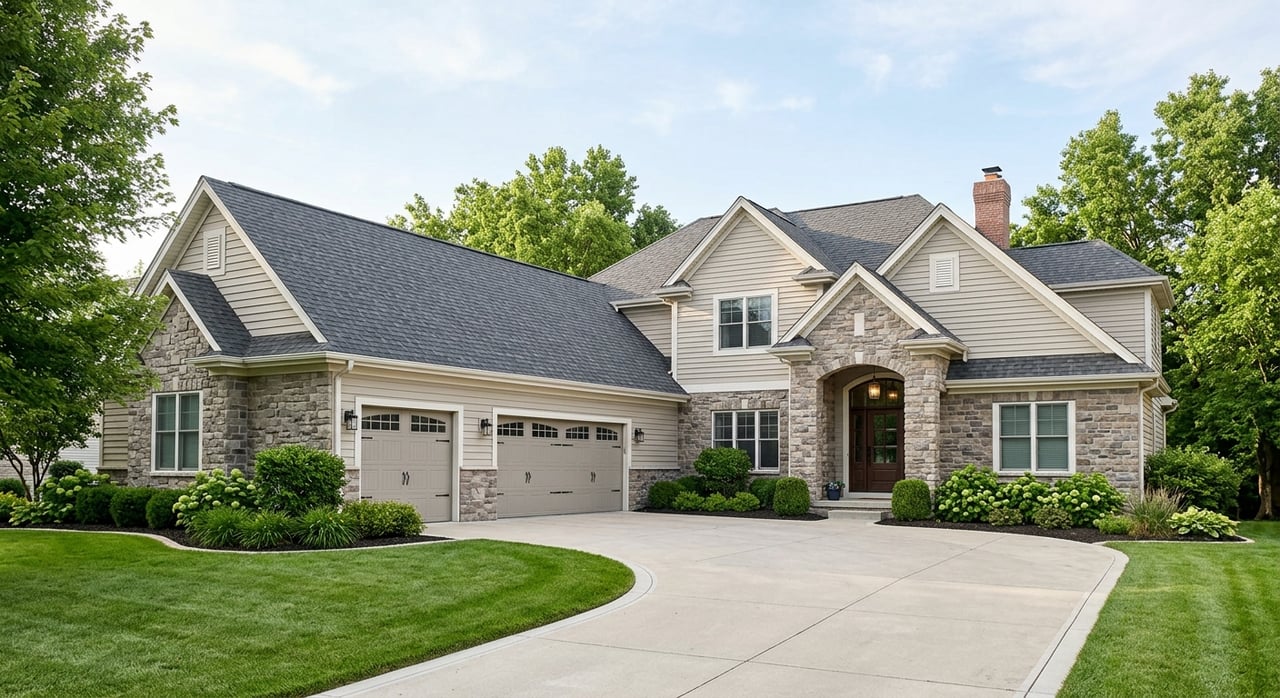
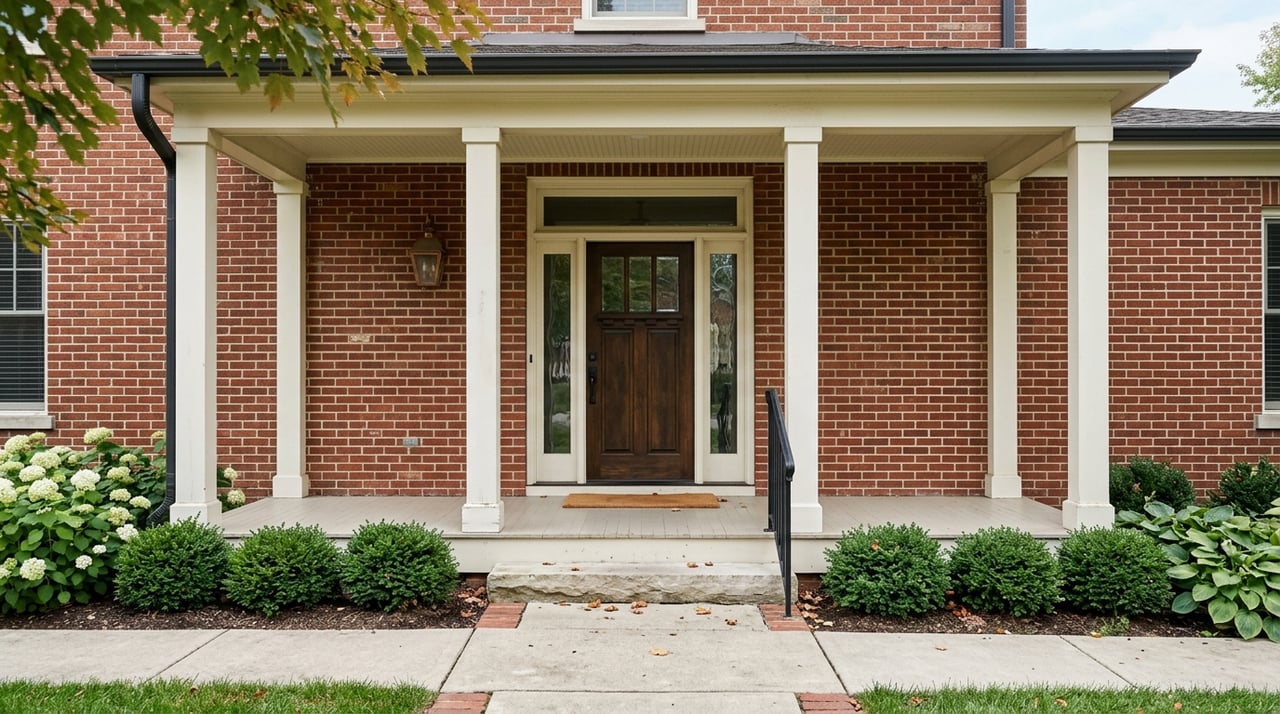
Established homes in Chatham usually appeal to buyers who want character in the setting as much as features inside the house. Current single-family listings show a broader selection, including examples like an all-brick ranch on a 7,200-square-foot lot, a one-owner all-brick ranch on 0.33 acres with mature landscaping, and a Cape Cod in Birch Grove subdivision.
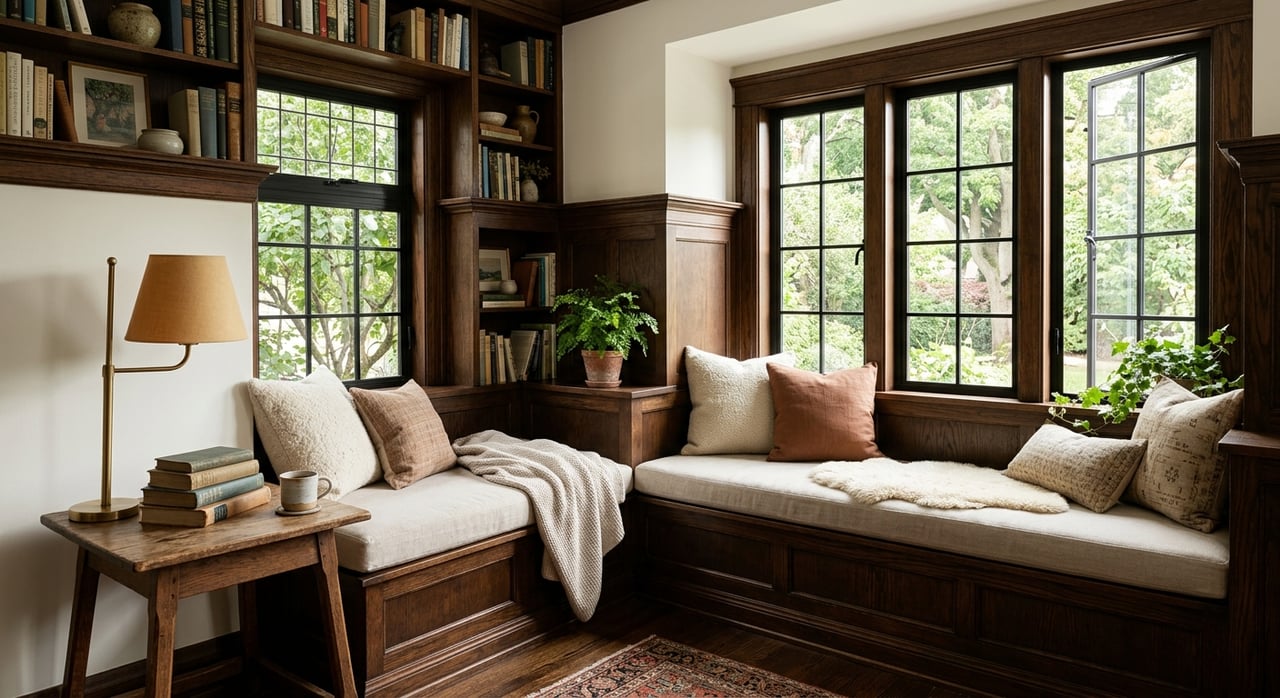
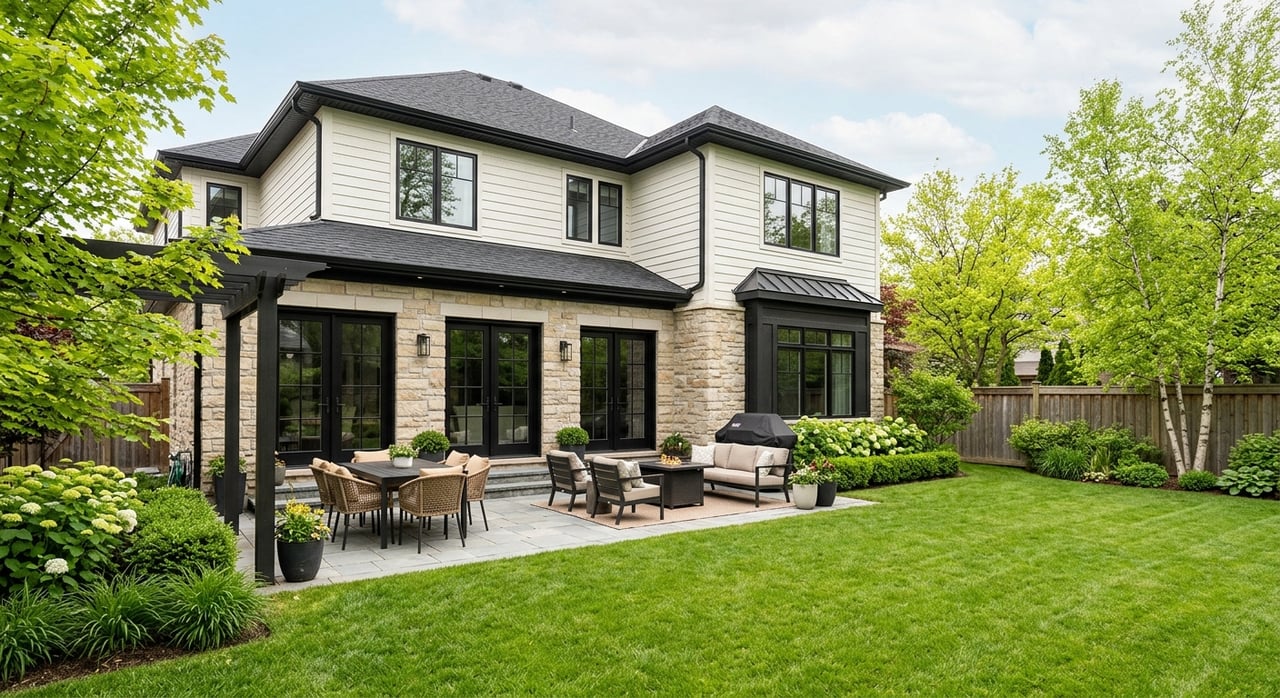
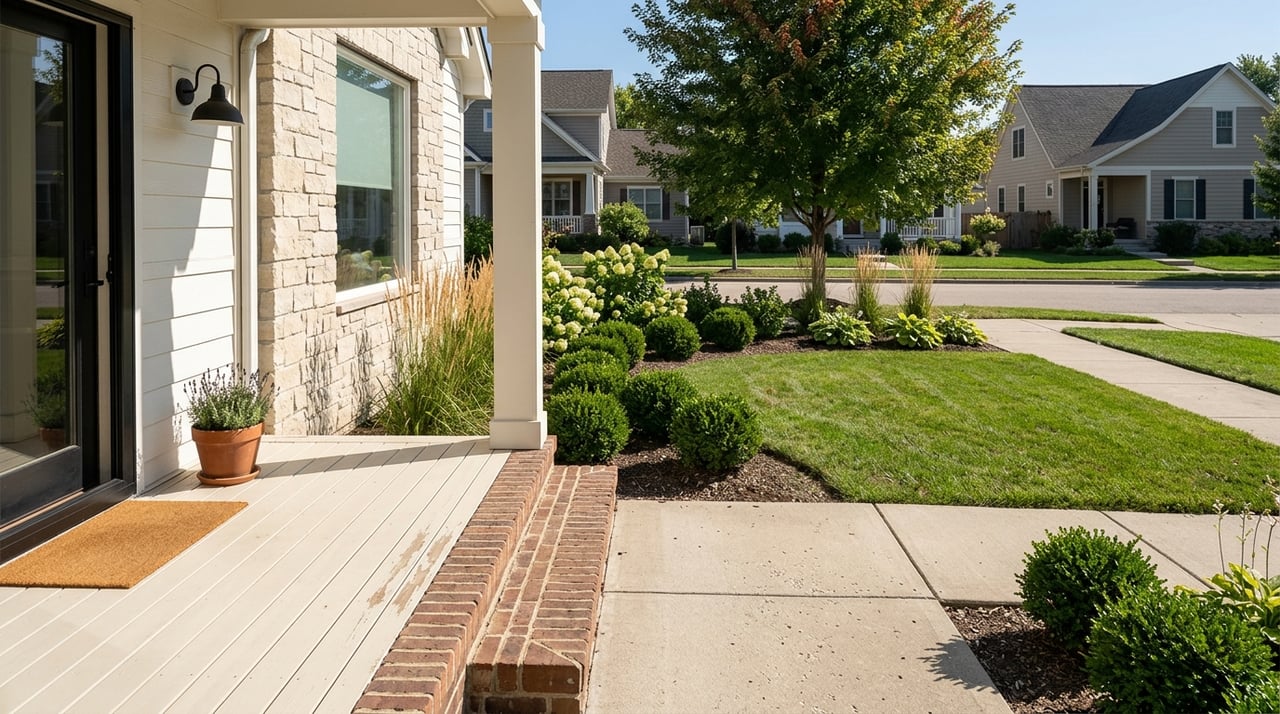
Those examples highlight a few common strengths. Older homes may offer mature trees, fenced yards, patios, basements, and more varied lot sizes. If you value outdoor space, privacy, or a neighborhood that feels more settled, an established home may check more boxes.
You may also find more immediate occupancy options in established neighborhoods. Instead of waiting on a build, you can often move from offer to closing on a standard resale timeline. That can be especially helpful if you are relocating, syncing a sale and purchase, or trying to move before a specific date.
One of the biggest differences between new and established homes is maintenance. A newer home may reduce your first-year repair exposure, especially if major systems and materials are brand new. That can be a relief if you want a simpler start after moving.
With an established home, you should plan for a closer look at the condition of the roof, HVAC, windows, and exterior materials. EPA home-maintenance guidance stresses regular upkeep, and that matters even more as a home ages. A house with charm and a great lot can still be the right fit, but you want to go in with clear expectations.
This is where your inspection strategy matters. The goal is not to avoid older homes. It is to understand what you are buying and what future costs may look like.
List price only tells part of the story in Chatham. Illinois says property taxes are locally set and that there is no single statewide rate. Sangamon County provides tax information and lookup tools, which makes it important to compare the full carrying cost of each property before you decide.
A newer home with a higher price may still feel manageable if it needs fewer near-term updates. An older home with a lower list price may offer great value, but the monthly picture can change once you factor in taxes, insurance, utilities, and future maintenance. Looking at the full budget helps you make a smarter comparison.
Many Chatham subdivisions have formal homeowners associations and recorded covenants. The village community page lists examples such as Breckenridge Estates, Oakbrook Estates, Manor Hill, South Park, and The Willows. Whether you are considering a new build or an older subdivision, it is smart to verify the rules before you fall in love with a home.
Some buyers like the structure and maintenance standards that can come with an HOA. Others prefer fewer restrictions. Neither is right or wrong, but you want the neighborhood setup to match your comfort level.
Ask practical questions early. Find out about dues, exterior rules, and any ongoing maintenance obligations that come with the property or subdivision.
A good decision usually comes down to lifestyle. If you want modern flow, updated finishes, and a lower-maintenance start, a newer home may fit your routine better. If you picture mature trees, more varied lots, and an established feel, an older home may feel more like home from day one.
You should also think about timing. If you need to move quickly, an established resale may offer more flexibility. If you can wait and want specific finishes or a newer layout, new construction may be worth the extra patience.
For many buyers with school planning in mind, Ball-Chatham CUSD 5 serves Chatham and includes Chatham Elementary, Glenwood Elementary, Glenwood Intermediate, Glenwood Middle, and Glenwood High School. As you compare homes, it helps to confirm attendance details and overall location fit based on your household needs.
If you are torn, simplify the decision by ranking your priorities. In Chatham, the choice usually comes down to maintenance tolerance, lot-size preference, HOA tolerance, and monthly budget. When you get honest about those four areas, the best fit usually becomes clearer.
Here is a simple way to frame it:
The right home is not always the newest one or the one with the biggest yard. It is the one that fits your budget, your timeline, and the way you actually want to live in Chatham.
If you want help comparing homes, neighborhoods, and monthly costs in Chatham, Cindy Grady II, Inc. can help you sort through the details and move forward with confidence.
Stay up to date on the latest real estate trends.
3701 Wabash Ave Springfield IL 62711