Historic Or Newer Home In Springfield? How To Decide
July 16, 2026
July 16, 2026
Wondering whether a historic home or a newer home is the better fit in Springfield? You are not alone. This city gives you real choices, from older neighborhoods with long-standing character to newer communities with more current layouts and systems. If you are trying to balance charm, budget, upkeep, and daily comfort, this guide will help you compare both paths with more confidence. Let’s dive in.
Springfield is not a one-style housing market. It has a broad mix of home ages, neighborhood types, and price points, which means your decision often comes down to lifestyle and priorities rather than a simple right-or-wrong answer.
That variety shows up across the city. You can find long-established neighborhood associations such as Historic West Side, Grand Central, Enos Park, Vinegar Hill, and Old South Town, along with HOA-style communities like Panther Creek, Piper Glen, Fox Meadows, and White Oaks West. In other words, Springfield can offer a more established urban setting or a more planned subdivision feel depending on what you want.
Springfield also has a strong ownership base. Census QuickFacts reports a 63.4% owner-occupied housing rate, with a median owner-occupied value of $155,200 for 2019 through 2023. A separate market snapshot reported a city median sale price of $190,000 for the three months ending May 2026, which helps show the wide range of homes available here.
In Springfield, older and newer homes often serve different buyer goals. Older homes tend to compete on character, location, and established surroundings. Newer homes usually command higher prices because they often offer more square footage, more bathrooms, and more modern systems.
Springfield’s housing study found a clear age-and-price pattern in local sales. In that sample, homes built in 1939 or earlier had a median sale price of $58,000, while homes built from 1940 to 1960 sold around $69,900 to $70,200. Homes built from 2001 to the present had a median sale price of $220,000.
Size differences matter too. Pre-1960 homes in the study averaged about 3 bedrooms, 1.5 bathrooms, and roughly 1,394 to 1,545 square feet. Homes built in 2001 or later averaged about 3 bedrooms, 2.75 bathrooms, and 2,697 square feet.
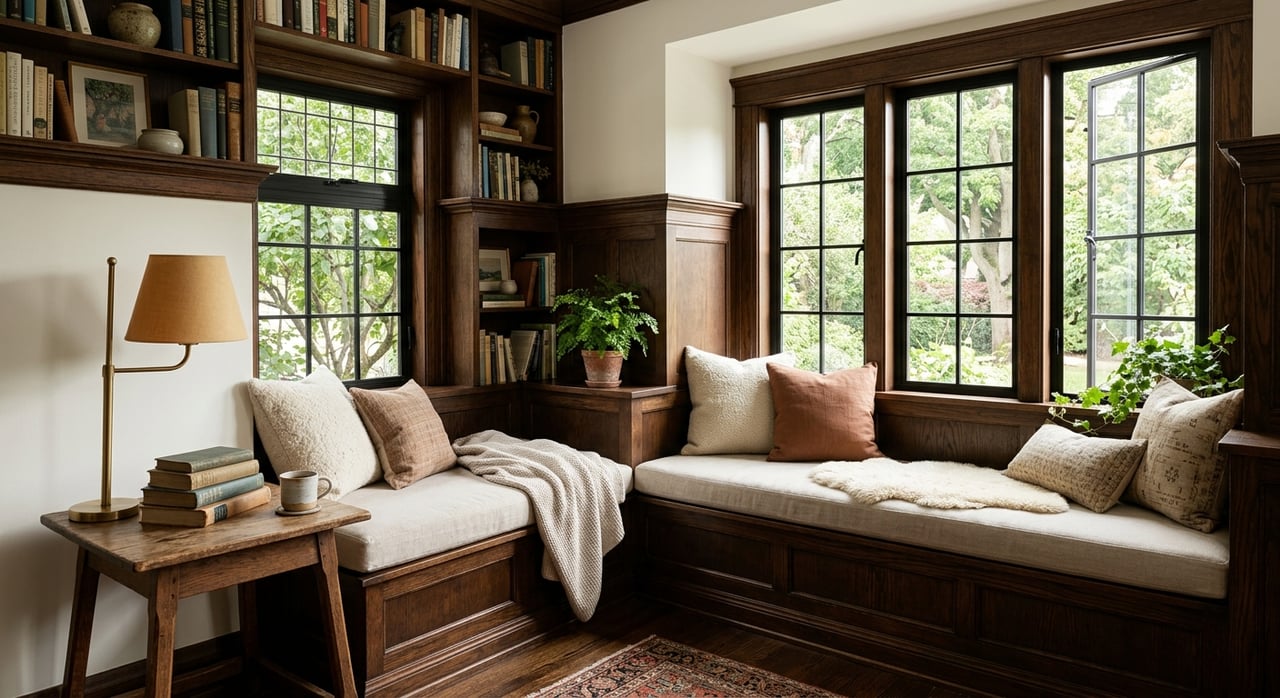
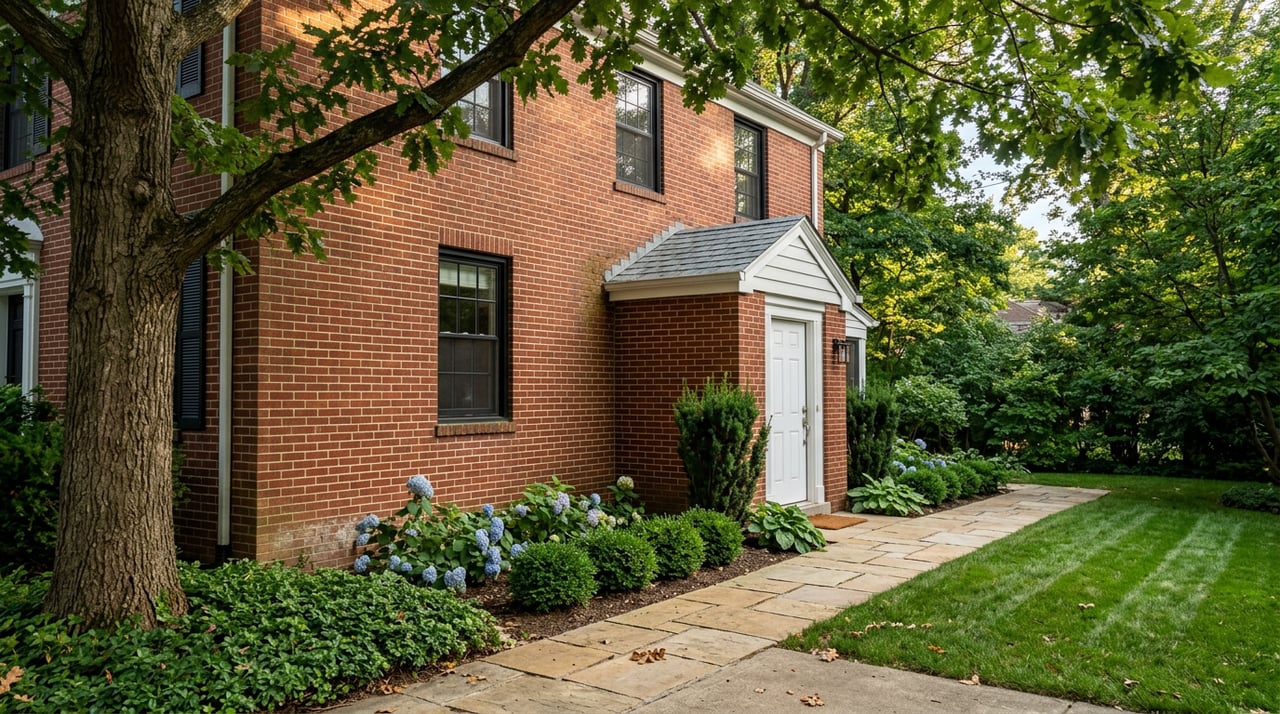
Historic and older homes can offer features that are hard to duplicate in new construction. You may find detailed woodwork, mature trees, unique floor plans, and a stronger sense of place. In Springfield, that appeal is especially visible near preserved areas such as the Lincoln Home neighborhood.
For many buyers, the draw is emotional as much as practical. An older home may feel more distinctive than a newer property with a similar layout to nearby homes. If you care about architecture, established streetscapes, or living in a neighborhood with visible local history, an older home can be very appealing.
Older homes may also open the door to lower entry prices in some cases. Springfield’s historical sales pattern shows that older housing stock has often sold well below newer homes, which can create opportunities for buyers willing to take on improvements over time.
That lower upfront price can come with more ongoing work. Older homes often need updates to insulation, air sealing, windows, or major systems. If those items have not been improved, your comfort and utility bills may look very different from what you would expect in a newer home.
The U.S. Department of Energy notes that many older homes were not built to modern insulation standards. Air leakage around windows, doors, and ducts can raise heating and cooling costs, and single-pane windows are more common in older homes than in more efficient newer buildings.
In Springfield, that matters a lot because heating performance is a major part of ownership costs. National Weather Service normals for Springfield show 5,215 heating degree days compared with 1,252 cooling degree days for the 1991 to 2020 period. That means insulation and air sealing deserve extra attention when you are comparing home options.
If you are looking at a designated landmark or a home within a historic district, you will want to understand the process before making exterior plans. Springfield’s preservation framework can be a benefit, but it can also affect how you approach future projects.
The city notes that owners of a landmark or a property within a designated historic district may be eligible for added assistance, including property-tax rebates under Section 101.50. That can be a meaningful point in favor of some historic properties.
At the same time, buyers should verify district status early. Springfield code requires photographic documentation before demolition of a landmark or an improvement within a historic district. If you are thinking about major exterior changes, it is smart to confirm what approvals or documentation may apply before you buy.
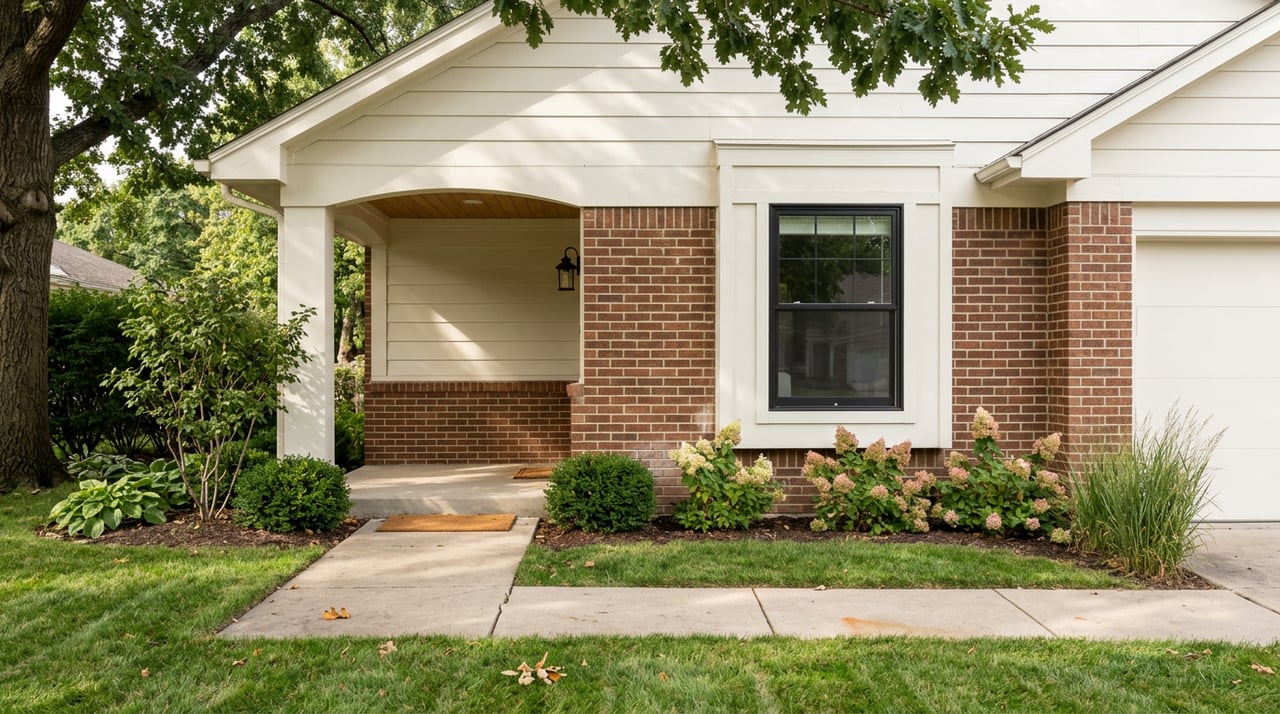
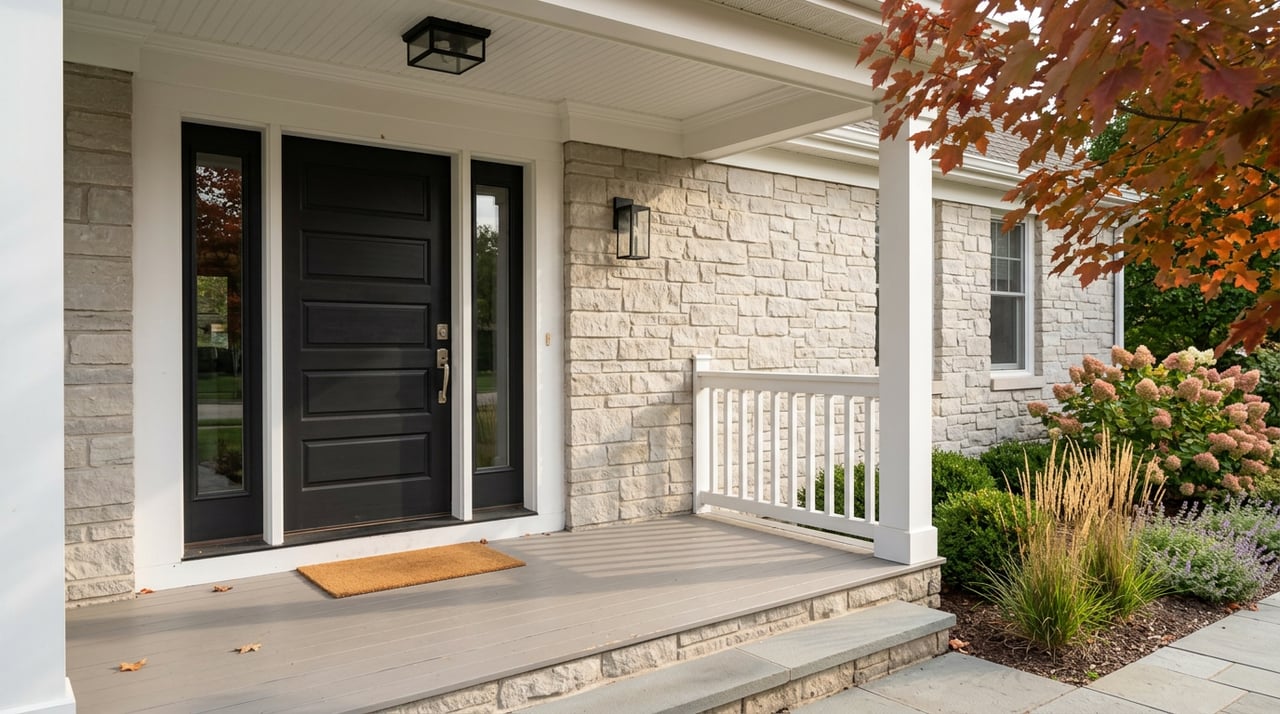
Newer homes often appeal to buyers who want predictability. You may get a more open floor plan, attached garage space, more bathrooms, and systems built to more current standards. That can mean fewer short-term projects and a smoother move-in experience.
In Springfield, newer construction examples show what that looks like in practice. Recent homes in areas such as Panther Creek West and Bogey Hills have featured open layouts, main-floor laundry, flex space, and attached garages. Those features line up with what many buyers want today.
Newer homes also start from a more efficient code baseline. Illinois requires residential buildings to comply with the Illinois Energy Conservation Code, and the current base residential code is the 2024 Illinois Energy Conservation Code, effective November 30, 2025. While builder quality still matters, newer homes generally begin with stronger efficiency standards than much of Springfield’s older housing stock.
Newer does not always mean better for every buyer. One major factor is price. Recent Springfield examples of new construction have been listed well above the citywide median, with one estimated around $635,210 and another around $432,494.
You may also trade some neighborhood maturity for newer features. A newer home may offer a more current layout and updated systems, but an older area may offer larger trees, a more varied streetscape, or a location closer to long-established parts of the city.
It is also worth remembering that newer homes are not maintenance-free. The Department of Energy notes that even newer homes can benefit from insulation upgrades, so you should still evaluate actual performance rather than assume every newer home is fully optimized.
If you are stuck between historic and newer, it helps to focus on a few practical questions. In Springfield, these trade-offs usually matter most:
These questions can quickly narrow your search. They also help you avoid falling in love with a home style that does not fit your daily life or long-term budget.
Before you decide, think beyond the listing photos. Springfield Public Works administers building, mechanical, plumbing, and electrical codes and handles inspections and permit review. The city’s permit application process covers work such as building, demolition, roofing, fences, and parking lots.
For older homes, this can have a real impact on your timeline and renovation budget. The cost is not just materials and labor. It may also include permits, inspection timing, and the order in which work must be completed.
For either home type, a strong due-diligence plan matters. A standard home inspection is essential, and a professional home energy assessment can give you a clearer picture of likely comfort issues, equipment age, insulation gaps, and air leaks.
When you tour homes in Springfield, try using the same checklist for each property. That keeps the decision grounded in real ownership costs instead of just first impressions.
Here are a few items to compare side by side:
This approach can help you compare two very different homes more fairly. A charming older home may still be the right fit if the location and character matter more to you than short-term updates. A newer home may be the better choice if you want a more predictable maintenance path and a layout that works from day one.
In Springfield, the answer is rarely as simple as historic versus newer. The better question is which home fits your budget, comfort expectations, and willingness to take on maintenance. Because Springfield has both preserved older areas and newer planned communities, you have room to choose the ownership experience that feels right for you.
If you want help weighing trade-offs between character, cost, and condition, the local team at Cindy Grady II, Inc. can help you compare options, connect you with contractor referrals, and guide you through the buying process with practical local insight.
Stay up to date on the latest real estate trends.
3701 Wabash Ave Springfield IL 62711