Is the Rochester IL Commute to Springfield Right for You?
June 18, 2026
June 18, 2026
Wondering if you can get a quieter home base without making your Springfield workweek harder? That is exactly why many buyers look at Rochester. If you are trying to balance commute time, daily routines, and the feel of where you live, Rochester offers a practical middle ground. Let’s dive in.
Rochester sits about six miles southeast of Springfield, which helps explain why it stays on the radar for local buyers and relocators. For many people, it offers close access to Springfield without feeling like a dense urban setting.
The village’s planning documents also show a growth pattern shaped by annexation and subdivision development. In simple terms, Rochester has grown in a way that fits a more suburban layout, rather than through dense infill development.
For most drivers, IL-29 is the main route between Rochester and Springfield. I-55 also adds regional access, which can help if your routine takes you beyond Springfield during the week.
Route estimates place the Springfield-to-Rochester drive at about 8 to 9 miles and roughly 13 to 20 minutes, depending on where you start, where you are headed, and current traffic. That kind of drive can feel manageable if you want some separation between work and home without adding a long daily trip.
If you are planning your weekday routine, these are the road connections that matter most:
For buyers comparing communities around Springfield, that simple road network is a real plus. You do not need to overcomplicate the route to understand how Rochester fits into a commuter lifestyle.
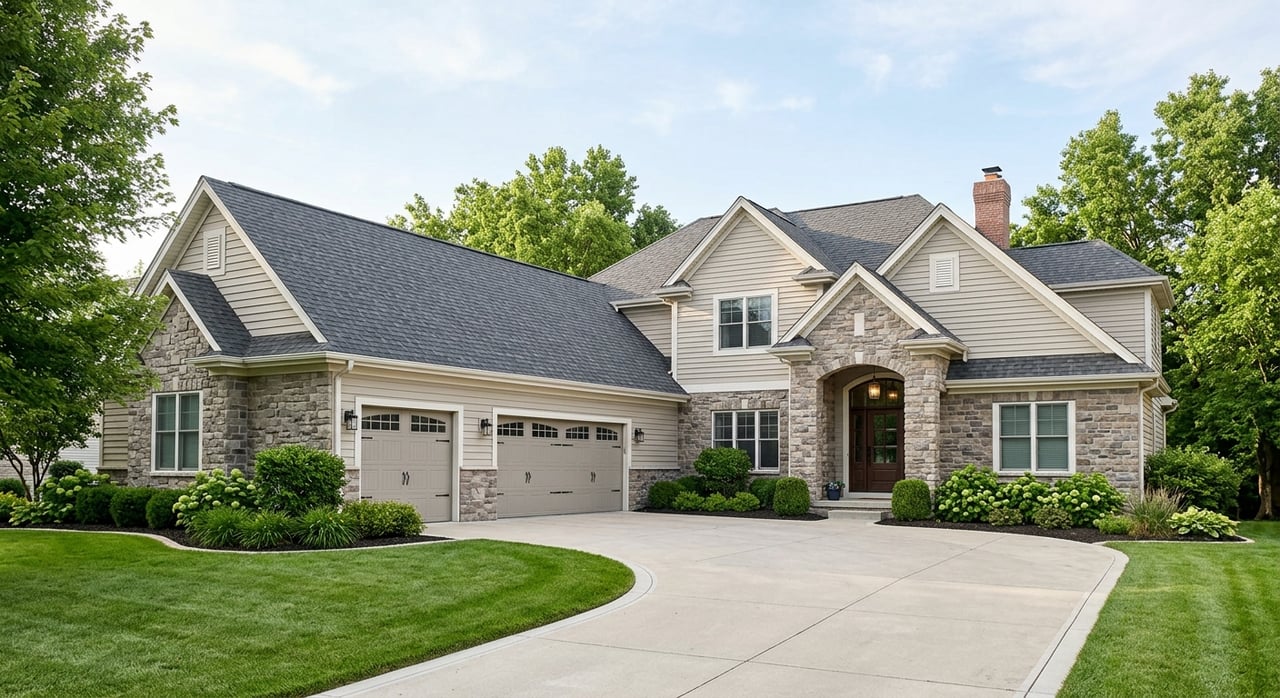
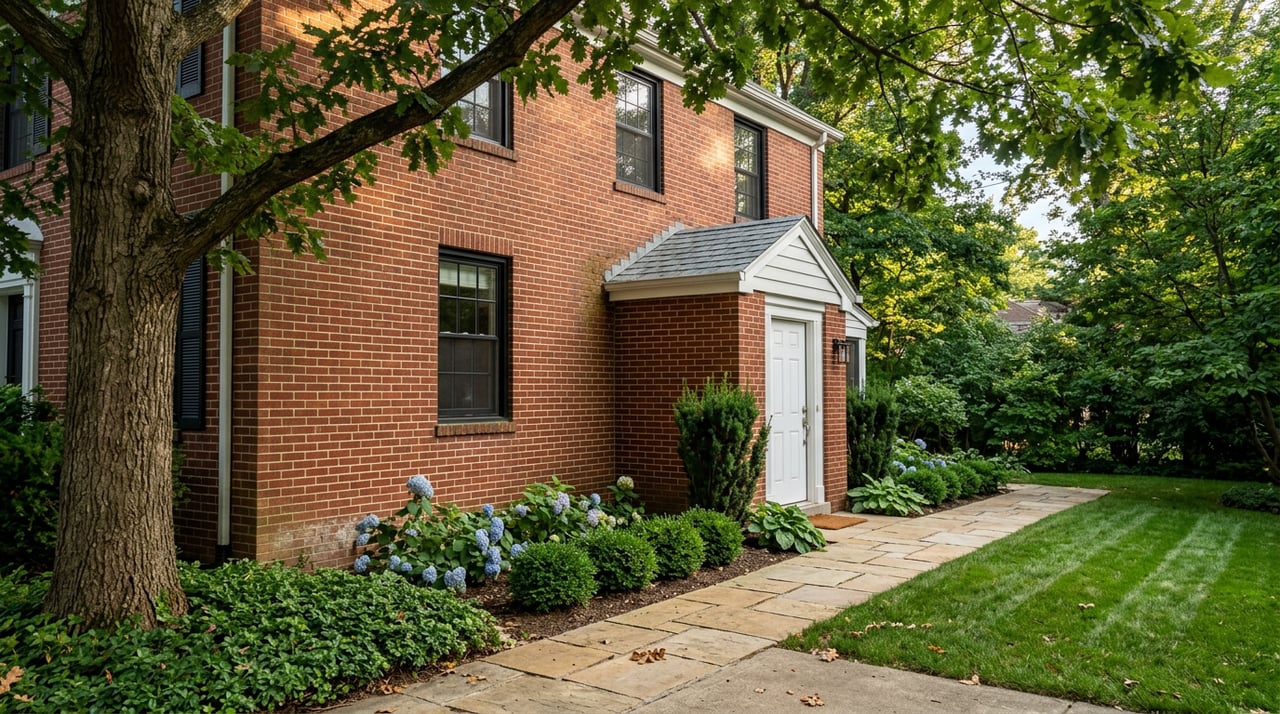
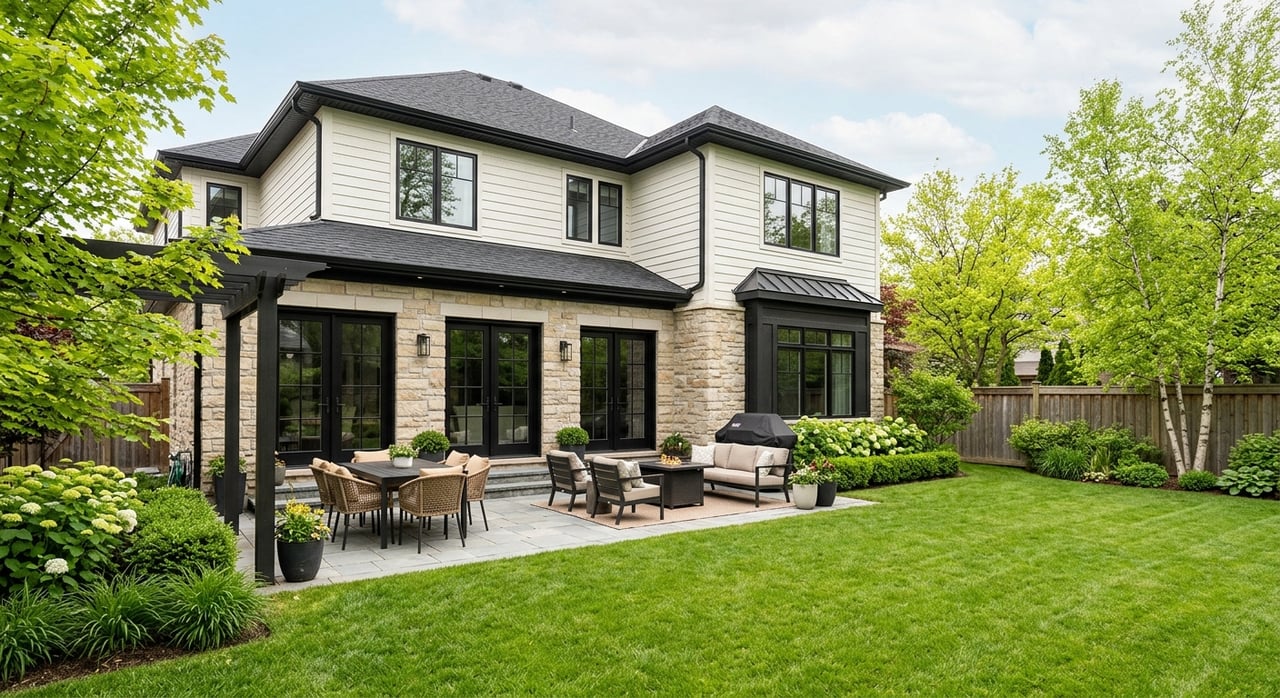
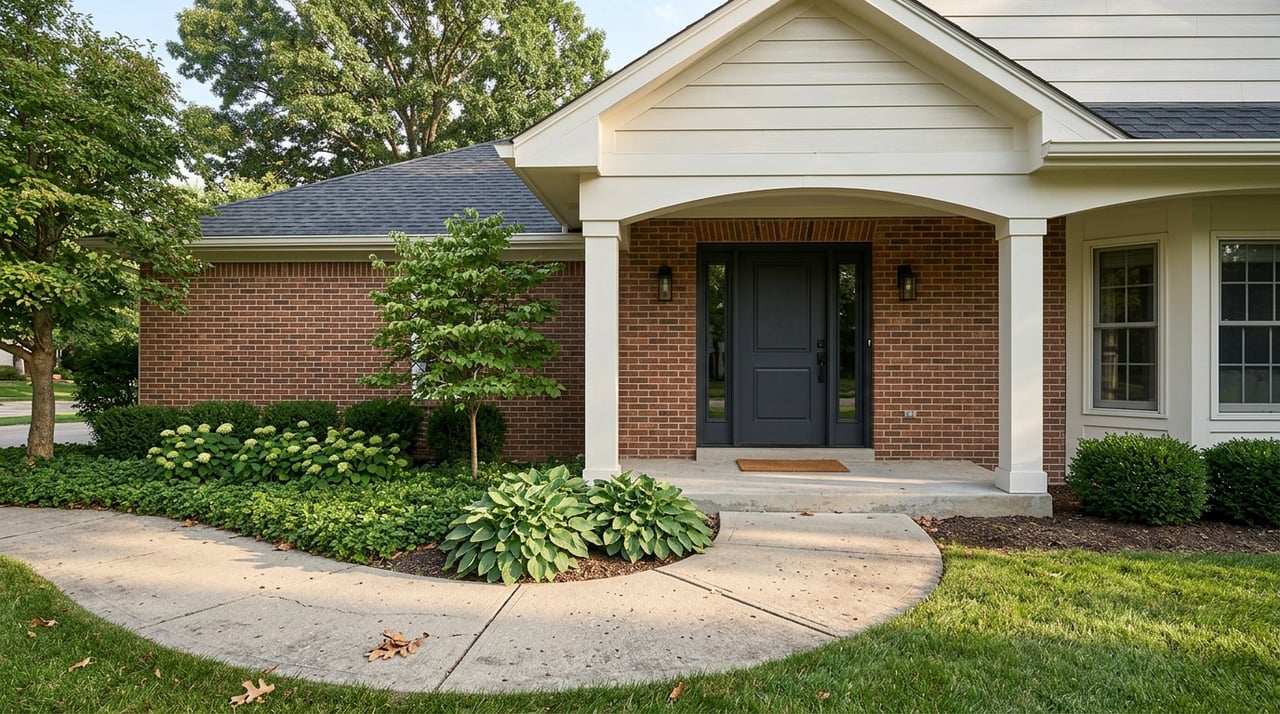
One reason Rochester appeals to commuters is the shift in atmosphere once you get home. The local planning framework emphasizes residential areas that lean toward single-family detached homes and lower-density lots.
That does not mean every part of the village looks the same. Rochester also allows some duplex and limited multifamily housing, but the overall pattern remains more subdivision-oriented than apartment-heavy.
If you picture home as a place with more space, neighborhood streets, and a suburban layout, Rochester may line up with what you want. The village’s zoning and development patterns support that kind of housing stock.
Recent growth has also followed a horseshoe-shaped pattern, with newer housing concentrated southwest along the bluffs above the South Fork of the Sangamon River. Additional proposed residential areas near Route 29 and West Main Street add to that picture of continued subdivision-style growth.
A commute is only one part of the decision. What often matters just as much is whether everyday life runs smoothly once you are off the clock.
Rochester has several practical local resources that can help keep a weekday on track. For households managing work, activities, appointments, and errands, that local infrastructure can make a real difference.
Rochester CUSD 3A lists 5 schools, 2,063 students, and 283 employees. For families, that gives helpful context for planning drop-offs, pick-ups, after-school activities, and the general flow of the week.
Even if you are still comparing your options, it helps to know Rochester has an established local school system woven into daily village life. That can be an important piece of the puzzle when you are choosing where to live.
The Rochester Public Library District is open Monday through Saturday and offers more than just books. Services listed include printing, scanning, faxing, notary service, test proctoring, library-on-wheels, and digital resources.
For a commuter household, those kinds of services matter. It is easier to handle small but important tasks locally when your weekday schedule is already full.
Rochester also offers nearby health touchpoints such as HSHS Medical Group Family Medicine - Rochester and Potter Drug. The Rochester Fire Protection District serves the village and surrounding areas.
These are the kinds of basics that help a community feel functional, not just convenient on a map. When you are choosing a place to live, access to everyday services often matters more than flashy features.
A shorter commute can create more time at home, but local recreation helps you use that time well. Rochester has community spaces that support simple routines close to home.
The village owns two parks, including Rochester Community Park, which spans nearly 80 acres. According to the village plan, it includes sports fields, playground equipment, a lagoon, restrooms, and the annual Sparks in the Park festival.
The Lost Bridge Trail is another major local asset. The Springfield Park District notes that the Rochester end connects directly to Community Park, creating a useful recreation link between Rochester and Springfield.
That trail is for pedestrians and bicyclists, not cars, but it still adds value for people who want outdoor access close to home. If you enjoy walking, biking, or just having more ways to spend time outside, that connection stands out.
It is helpful to go into any move with clear expectations. Rochester offers solid daily-life infrastructure, but the village plan also records resident interest in an additional grocery store with a larger product selection and more competitive pricing.
That does not prove a lack of everyday options. It does suggest, though, that bigger shopping trips may still be part of your routine, especially if you like more variety or tend to do large weekly runs.
For many commuters, that tradeoff is manageable. A short drive to Springfield for work can also make it easier to combine errands and shopping into the same trip when needed.
Rochester can make sense for several kinds of buyers, especially if your work or regular schedule connects to Springfield. The appeal often comes down to balancing convenience with a more suburban residential pattern.
You may want to take a closer look at Rochester if you are looking for:
If that sounds like your checklist, Rochester may be worth serious consideration. It gives you access to Springfield while keeping your home search focused on a different kind of setting.
| Factor | What to Know |
|---|---|
| Distance to Springfield | About 6 miles southeast |
| Typical drive | Roughly 13 to 20 minutes |
| Main commute routes | IL-29 and I-55 |
| Housing pattern | Primarily subdivision-oriented, with many single-family detached homes |
| Recreation | Rochester Community Park and Lost Bridge Trail |
| Daily conveniences | Local schools, library services, health touchpoints, fire protection |
If you work in Springfield and want a home base that feels a little more removed from the city, Rochester offers a strong practical case. The commute is generally straightforward, the housing pattern leans suburban, and the village has enough everyday infrastructure to support busy routines.
The right move always depends on your goals, budget, and how you want daily life to feel. If you want help comparing Rochester with Springfield or other Sangamon County communities, Cindy Grady II, Inc. can help you sort through the details and find the best fit.
Stay up to date on the latest real estate trends.
3701 Wabash Ave Springfield IL 62711