Trying to choose between living in Springfield or a nearby suburb like Chatham, Rochester, or Leland Grove? You are not alone. The right fit comes down to your daily routine, commute needs, school preferences, and the kind of home and neighborhood feel you want. In this guide, you’ll get a clear, side-by-side look at what life feels like in each area and a simple framework to help you decide with confidence. Let’s dive in.
Springfield vs suburbs: big picture
If you want quick access to jobs, healthcare, and cultural spots, living in Springfield puts you close to the action. If you want newer homes, larger lots, and a suburban rhythm, Chatham and Rochester are strong options. Leland Grove offers a quieter, close-in village feel right next to city amenities.
Here is a quick, qualitative snapshot to start your thinking:
- Springfield: Diverse housing, shorter drives to major employers, strong access to downtown dining and cultural institutions. Trade-offs include varied school assignments by neighborhood, smaller lots in older areas, and busier streets in some parts of town.
- Chatham: Newer subdivisions, larger yards, and community programming oriented to families. Trade-offs include longer daily driving and possible HOA fees in some neighborhoods.
- Rochester: Smaller village vibe, newer neighborhoods, and quieter streets. Trade-offs include fewer commercial options in town and regular trips into Springfield for shopping and entertainment.
- Leland Grove: Close-in residential enclave with established homes and very short commutes. Trade-offs include smaller inventory, older homes that may need updates, and modest lot sizes.
Commute and transportation
Driving is the primary way most residents get around. Public transit exists but is not as extensive as in larger metros.
- Springfield and Leland Grove: Many neighborhoods offer short to moderate drives to downtown, the State Capitol complex, major hospitals, and employers. Leland Grove is especially close to central employers.
- Chatham and Rochester: Expect longer drives day to day, with most routes using I-55, Veterans Parkway, IL-4, and local arterials. Peak congestion tends to be weekday mornings and late afternoons.
- Bus service: The Sangamon Mass Transit District offers routes within Springfield and selected connections to nearby areas. Schedules and coverage can change, so confirm current options before you decide.
Tip: Test your commute at peak hours between a few favorite neighborhoods and your workplace. A 10-minute difference twice a day adds up.
Housing styles and lots
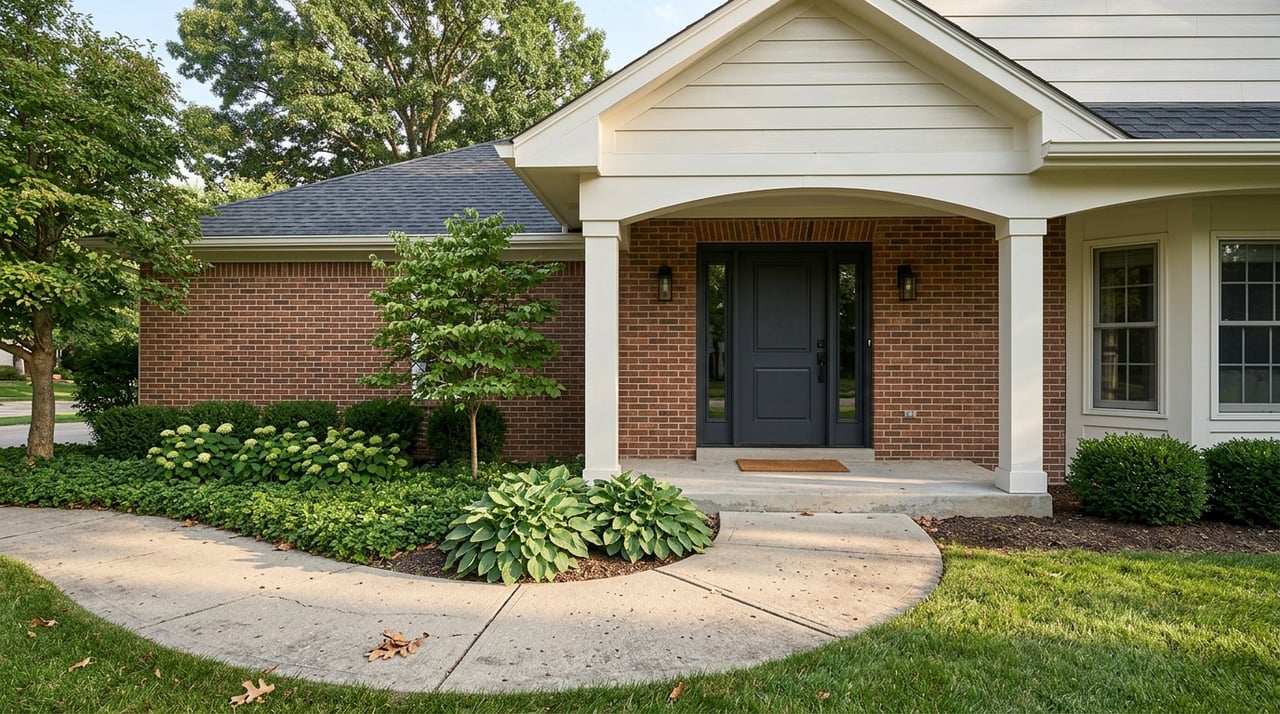
- Springfield: You will find a wide range of homes, from historic Victorians, Craftsman bungalows, and mid-century ranches to newer infill builds. Lot sizes vary, and older neighborhoods often feature mature trees and sidewalks.
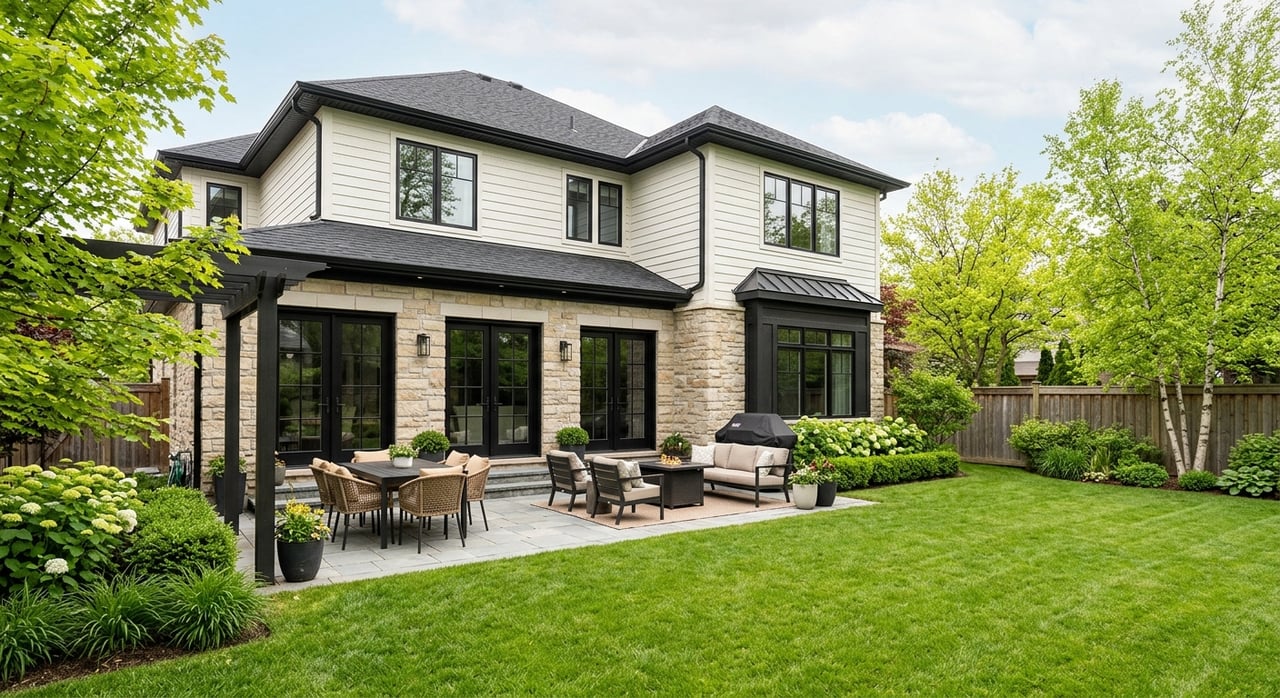
- Chatham: Subdivisions built in the last few decades are common, with ranch and two-story homes, attached garages, and larger lots. Some areas include HOA rules and amenities.
- Rochester: Similar to Chatham in age and style, often with a smaller, more residential feel and fewer large commercial corridors.
- Leland Grove: Established homes on modest lots in a quiet, close-in setting. Inventory can be limited compared with the larger suburbs.
If you prefer character and walkable blocks, certain Springfield neighborhoods and Leland Grove will appeal. If you want newer construction, yard space, and attached garages, Chatham and Rochester often deliver.
Price and market basics
In general, Springfield offers a wider price range, including entry-level options and historic fixer opportunities alongside higher-priced neighborhoods. Suburbs like Chatham and Rochester often carry premiums for newer construction, larger lots, and district assignments. Inventory and days on market can shift seasonally.
Because pricing changes quickly, compare recent sales in your target neighborhoods and track current median prices and time on market. A local MLS review is the best way to get accurate expectations before you make an offer.
Schools and districts
School district boundaries are a key factor for many buyers. Most of Springfield is served by Springfield Public Schools District 186. Chatham is typically in Ball-Chatham CUSD 5, and Rochester is in Rochester CUSD 3A. Leland Grove students may attend Springfield-based schools. Always verify the specific school assignment for a parcel, and review district pages and the Illinois Report Card for up-to-date program offerings and performance data.
What to look for when you compare:
- Per-school data, not just district averages
- Academic programs, career and technical pathways, and extracurricular options
- Facilities, transportation, and student support services
- Any planned boundary updates or construction projects
Safety and crime resources
Safety can vary by neighborhood. Suburban villages generally report fewer total incidents due to smaller populations and residential character, while Springfield’s city size brings more variation by area.
Use objective sources to understand patterns:
- Police department crime maps and community reports
- County and federal dashboards for trends
- Neighborhood watch or civic association updates
Review multiple sources and timeframes, and visit at different times of day to see how a neighborhood feels in real life.
Taxes and monthly costs
Property taxes in Illinois reflect multiple taxing bodies, including city or village, county, school district, and special districts. Two homes with similar assessed values can have different bills depending on where they sit. Some suburban subdivisions include HOA fees for common area upkeep.
Before you decide, estimate carrying costs across options:
- Compare parcel-level tax history for representative homes
- Include HOA dues where applicable
- Account for commute costs and time
- Review utility providers for each area
Lifestyle and amenities
- Springfield: Easy reach to downtown restaurants, the State Capitol, museums, hospitals, specialty shops, and grocery options. Shorter drives for most errands.
- Chatham and Rochester: Family-oriented parks, youth sports, community events, big-box retail corridors, and newer recreation facilities. You will likely drive into Springfield for cultural events.
- Leland Grove: Quiet streets and a small-village feel with very close access to city amenities.
Choose based on how you spend your free time. If you enjoy frequent dining and cultural events, proximity matters. If parks, backyard space, and community programming are the priority, the suburbs may fit.
Walkability and daily rhythm
Walkability varies widely by neighborhood. Leland Grove and some near-downtown Springfield areas tend to be more walkable, with sidewalks and close access to amenities. Most suburban subdivisions are designed for driving, though many include sidewalks, playgrounds, and paths within neighborhoods.
If walkability is important, narrow to specific blocks rather than judging by city name alone.
A simple decision framework
Step 1: Define priorities
Rank each factor on a 1 to 5 scale for Springfield, Chatham, Rochester, and Leland Grove:
- Commute tolerance
- Budget and purchase price
- House type preference
- Lot size and outdoor needs
- School assignment and programs
- Walkability and proximity to amenities
- Safety and neighborhood character
- HOA presence or avoidance
- Annual property-tax comfort level
Add up the scores to reveal your top two contenders.
Step 2: Fieldwork checklist
Do these before you narrow your search:
- Drive your commute during peak hours from two or three target neighborhoods
- Visit schools or attend a PTO meeting and review official report cards
- Tour neighborhoods on weekday mornings, weekend afternoons, and evenings
- Review police and county crime maps for pattern context
- Run tax estimates for sample properties and note HOA fees
- Study recent local MLS comps for price trends and time on market
- Confirm utility and internet providers for service reliability
Step 3: Questions to ask
- Which district and specific schools serve this address? Any planned rezoning?
- What are the most recent comparable sales and typical time on market?
- Are there any planned road, subdivision, or commercial projects nearby?
- What is the typical annual property-tax bill and trend over the last few years?
- Are there HOA covenants or special assessments?
When to prioritize suburbs vs in-town
- Choose Chatham or Rochester if you want newer homes, larger yards, quieter streets, and community-focused programming, and you are comfortable with more driving.
- Choose Springfield or Leland Grove if you want a short commute, closer access to downtown amenities, historic character, or a wider range of price points and neighborhood styles.
Next steps
If you are torn between choices, start with two neighborhoods in your top area and one in your runner-up area. Compare commute drives, tour homes across both, and track your must-haves. When you are ready, connect with a local team that can pull current MLS data, preview homes, and coordinate showings around your schedule.
Ready to compare Springfield and the suburbs side by side? Reach out to Cindy Grady II, Inc. for a friendly, data-informed consultation, contractor referrals, and a step-by-step plan from first tour to closing.
FAQs
How do commutes compare between Springfield, Chatham, Rochester, and Leland Grove?
- Most residents drive. Leland Grove and many Springfield neighborhoods offer shorter drives to downtown and hospitals, while Chatham and Rochester usually involve longer daily driving on I-55, Veterans Parkway, or IL-4.
What kinds of homes are typical in Springfield vs Chatham and Rochester?
- Springfield features historic homes, mid-century ranches, and newer infill builds on varied lot sizes. Chatham and Rochester are dominated by newer subdivisions with ranch and two-story homes, larger lots, and some HOAs.
How do school districts factor into choosing Springfield or a suburb?
- District boundaries influence many buyers. Springfield is generally served by District 186, Chatham by Ball-Chatham CUSD 5, and Rochester by CUSD 3A. Verify the exact school assignment for each address and review official report cards and programs.
Are taxes higher in Springfield than in the nearby suburbs?
- It depends on the exact taxing bodies tied to a property. Bills vary by school district, city or village, and special districts. Compare parcel-level estimates and include any HOA fees for a true apples-to-apples view.
How does neighborhood safety vary across Springfield and the suburbs?
- Patterns differ by location. Suburban villages often report fewer total incidents due to population size and residential character, while city neighborhoods vary widely. Review official police maps and visit areas at different times of day.
Is there public transit connecting Springfield with Chatham and Rochester?
- The local bus system provides routes in Springfield and limited connections to surrounding areas. Check the latest schedules and stops to see if service aligns with your commute.
Which area is best for walkability: Springfield, Leland Grove, or the suburbs?
- Leland Grove and some near-downtown Springfield neighborhoods tend to be more walkable. Most suburban subdivisions are car-oriented, though many include sidewalks and neighborhood paths. Evaluate specific blocks rather than broad areas.