Thinking about listing your Rochester home and wondering how to hit the market in 30 days without the stress? You want a clear game plan that covers pricing, prep, marketing, and what to expect once offers roll in. This step-by-step guide walks you through exactly what to do each week, tailored to Rochester and nearby Sangamon County communities. By the end, you’ll know how to prepare your home, launch with confidence, and move from listed to under contract on a predictable timeline. Let’s dive in.
Why a 30-day plan works in Rochester
Rochester is a suburban community near Springfield, and buyers often focus on practical features like school district, yard space, commute time, and move-in readiness. Inventory in smaller villages can be tight, so homes that present well and are priced right tend to get early attention. Market conditions can shift quickly, which is why a structured plan and weekly check-ins keep you ahead of the curve.
Days 1–7: Pre-listing groundwork
Set your pricing strategy
Meet with your listing agent to review a Comparative Market Analysis (CMA) using recent comparable sales and nearby actives. Adjust for size, age, updates, lot, finished basement, and condition. Aim for a strategic price band that attracts early buyer traffic in the first two weeks.
Gather key documents
Have these ready to speed up listing prep and buyer due diligence:
- Deed and mortgage/payoff information
- Recent property tax bill and utility bills
- Warranties, manuals, and invoices for major updates (roof, HVAC, water heater)
- HOA covenants, rules, and financials if applicable
- Any inspection reports, permits, or final inspections for past work
Tackle repairs and curb appeal
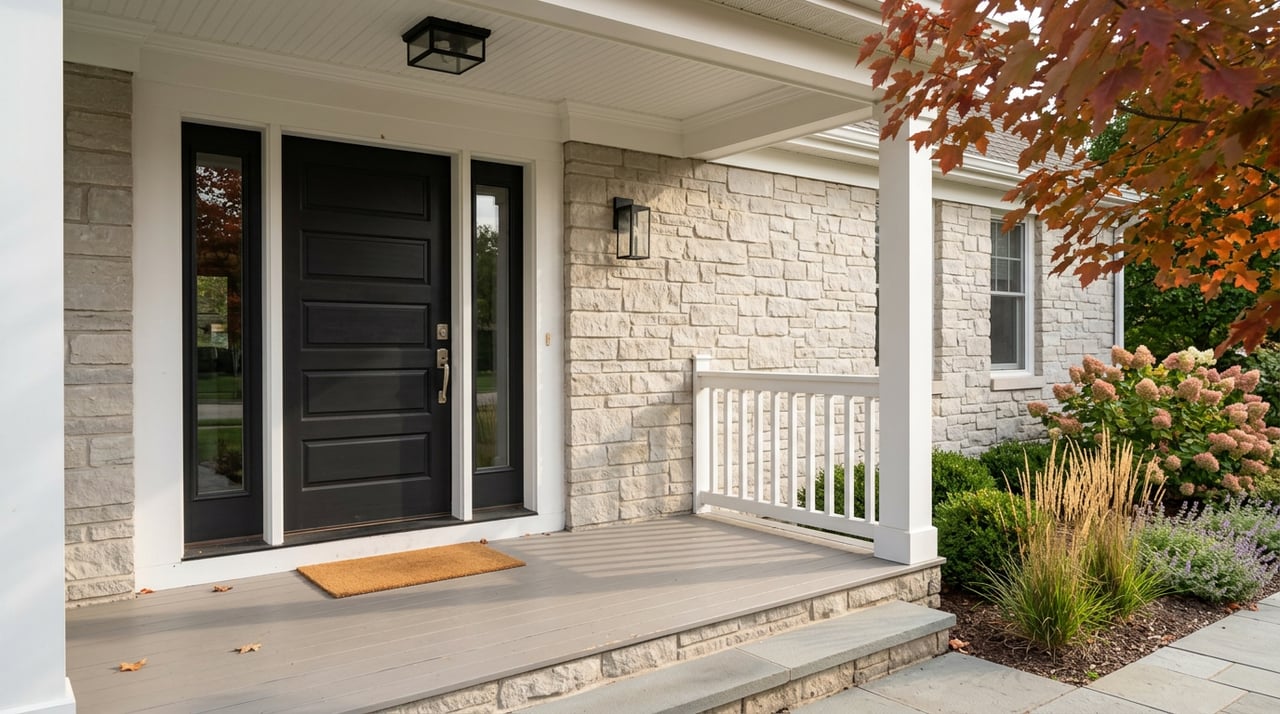
Handle small safety and cosmetic issues that influence first impressions. Replace dated lighting or hardware, fix loose handrails and door locks, and repair broken panes. Fresh paint in neutral tones and deep cleaning go a long way.
Book professional visuals
Schedule professional real estate photography. Consider floor plans, a 3D tour, and drone photos for larger lots. Quality visuals help buyers see value before they step inside.
Deliverables by Day 7
- CMA completed and target price range set
- Listing agreement signed; disclosures started
- Photo/visual appointments set
- Property-ready checklist in motion
Days 8–14: Create and launch your listing
Finish staging and prep
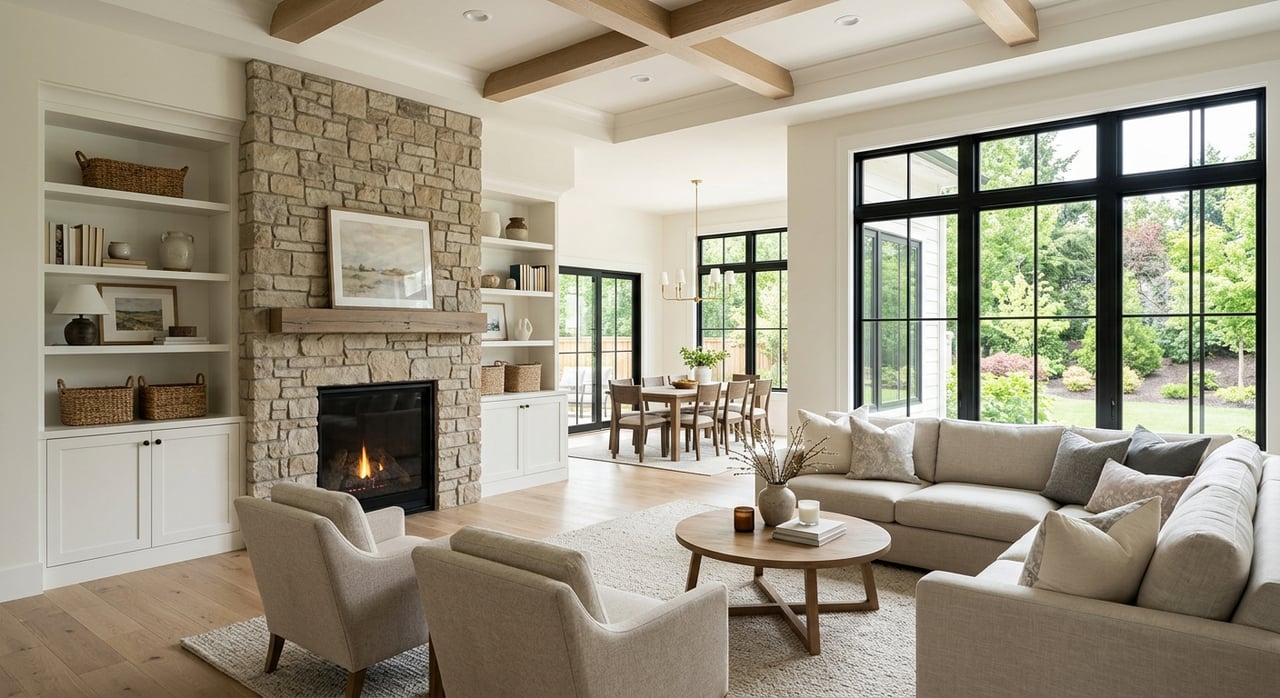
Declutter, depersonalize, and neutralize bold colors. Decide whether full staging, partial staging, or virtual staging best fits your home and budget. Make sure rooms feel bright, clean, and spacious.
Build the MLS package
Confirm accurate room counts, square footage, school district, and standout features. Add high-quality photos, floor plan, and a 3D tour if available. Ensure required disclosures are complete.
Activate marketing
Publish to the MLS so your listing syndicates to major home-search sites. Promote on social media and email to local buyer agents. Install the for-sale sign and lockbox, set showing instructions, and schedule your first open house.
Deliverables by Day 14
- MLS live and syndicated
- Sign and lockbox installed
- First open house and any broker previews scheduled
Days 15–21: Market and measure
Host open houses and manage showings
Track attendance and collect feedback within 24 to 48 hours. Look for patterns in what buyers mention about condition, price, or layout.
Monitor response and adjust if needed
Watch views, saves, showing volume, and buyer comments. If interest is thin after 10 to 14 days, consider a price adjustment or incentive based on data, not guesswork.
Prepare for multiple offers
If activity is strong, set a clear deadline and use an offer-comparison worksheet to weigh terms beyond price.
Deliverables by Day 21
- Showing and feedback log
- Mid-marketing strategy check-in with data-driven next steps
Days 22–26: Negotiate and accept
Evaluate offers beyond the top-line price
Compare key terms using a simple worksheet:
- Price vs. net proceeds, including any concessions
- Buyer financing type and earnest money amount
- Inspection and financing contingencies and timelines
- Proposed closing date and possession needs
- Any appraisal gap language and its risk/reward
Negotiate for your ideal blend of price, certainty, and timing. Once you accept, the buyer deposits earnest money per the contract and title is opened.
Deliverables by Day 26
- Fully executed sales contract
- Earnest money deposited with escrow or title
- Title company selected and notified
Days 27–30+: Under contract to close
Keep the transaction moving
Coordinate the appraisal and provide comparable sales if your agent requests it. If inspections uncover items, decide whether to repair, offer credits, or adjust price. Use licensed contractors for significant work.
Provide any remaining documents requested by the buyer or title, such as payoff statements, HOA estoppels, or affidavits. Prepare for the final walkthrough and confirm wire instructions and moving logistics.
Deliverables by closing
- Appraisal completed or resolved
- Inspection items repaired or credited
- Clear title delivered, funds disbursed, and keys handed over
Smart pricing for Rochester
A strong CMA focuses on 3 to 6 recent nearby sales and several relevant active or expired listings. Adjust for features that influence value, including lot size, finished lower levels, number of baths, and recent upgrades. Aim to capture the early wave of buyer interest in the first 7 to 14 days to avoid avoidable price reductions later.
Required disclosures and local logistics
- Federal rules: If your home was built before 1978, you must provide a lead-based paint disclosure and the EPA pamphlet to buyers.
- Illinois disclosures: Complete the state-required seller disclosure forms and verify any exemptions with a licensed professional.
- Title, taxes, and closing costs: Expect a seller net sheet to include commissions, any concessions you agree to, payoff of liens, and recording/title charges. Property taxes are typically prorated at closing based on local rules.
- HOA, septic/well, and permits: Request HOA packets early if applicable. Keep maintenance records for private systems and verify permits and final inspections for major past work.
If you have legal or tax-specific questions, consult a local real estate attorney or your title company for guidance.
Staging and marketing that resonate locally
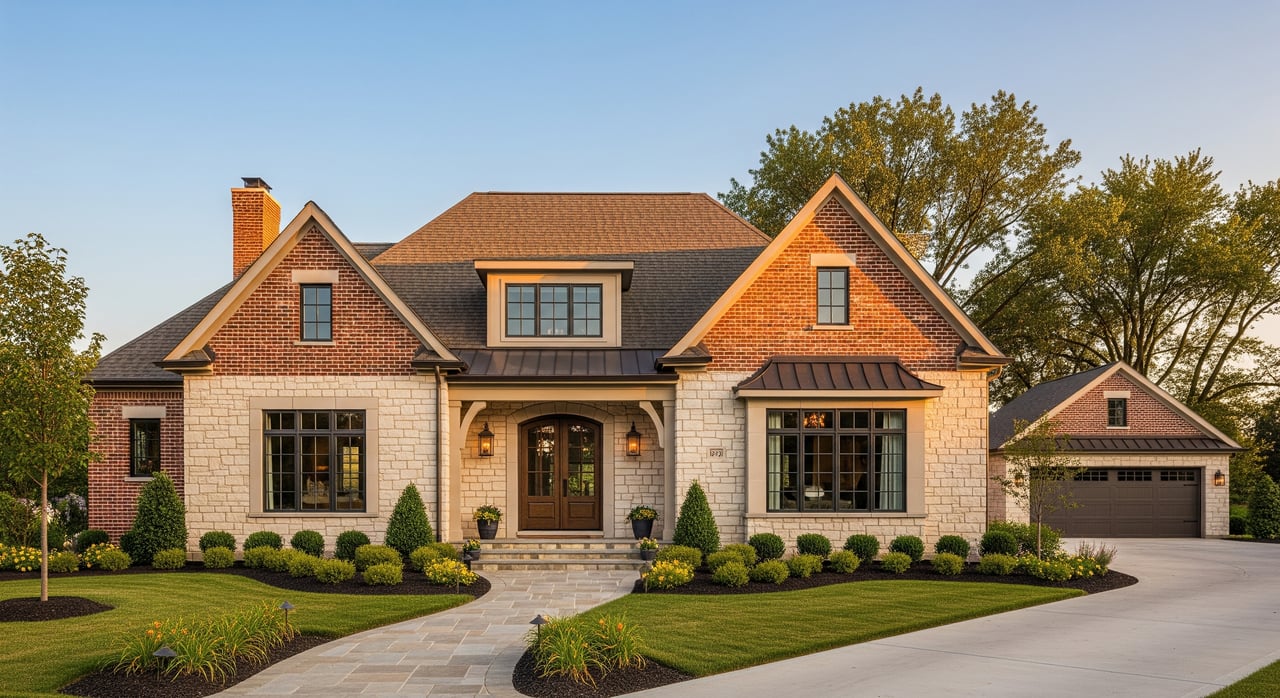
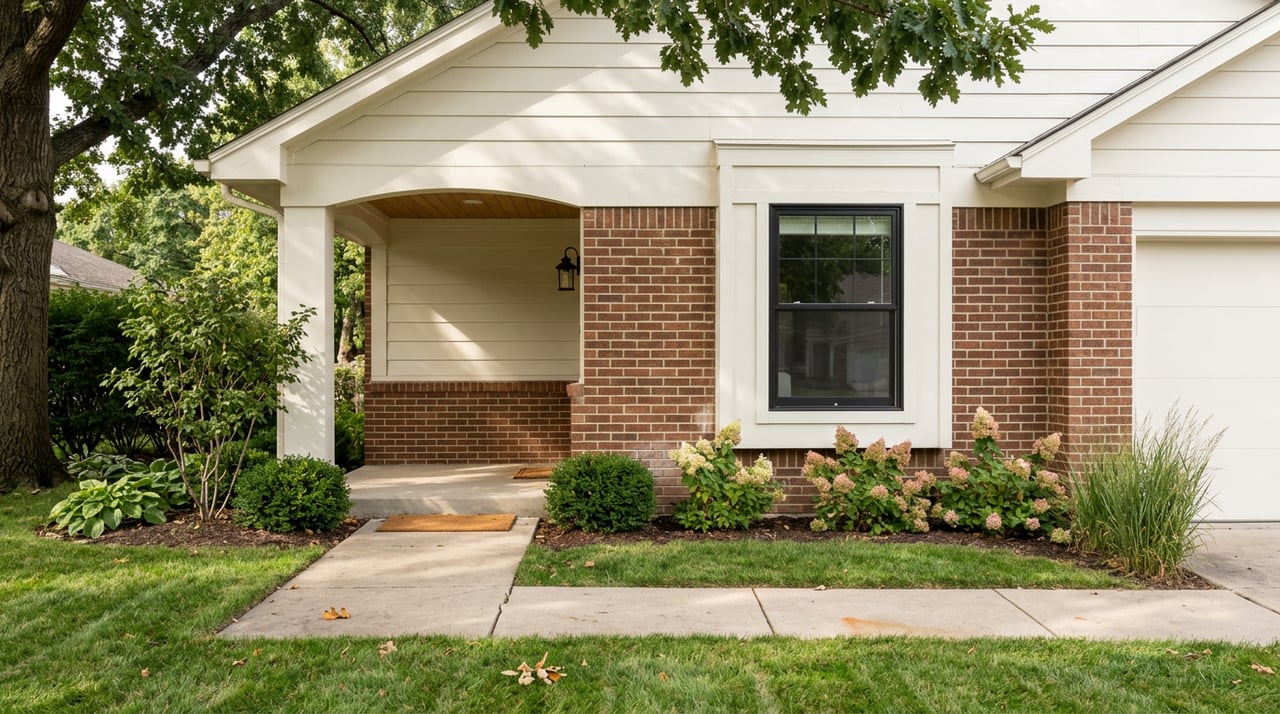
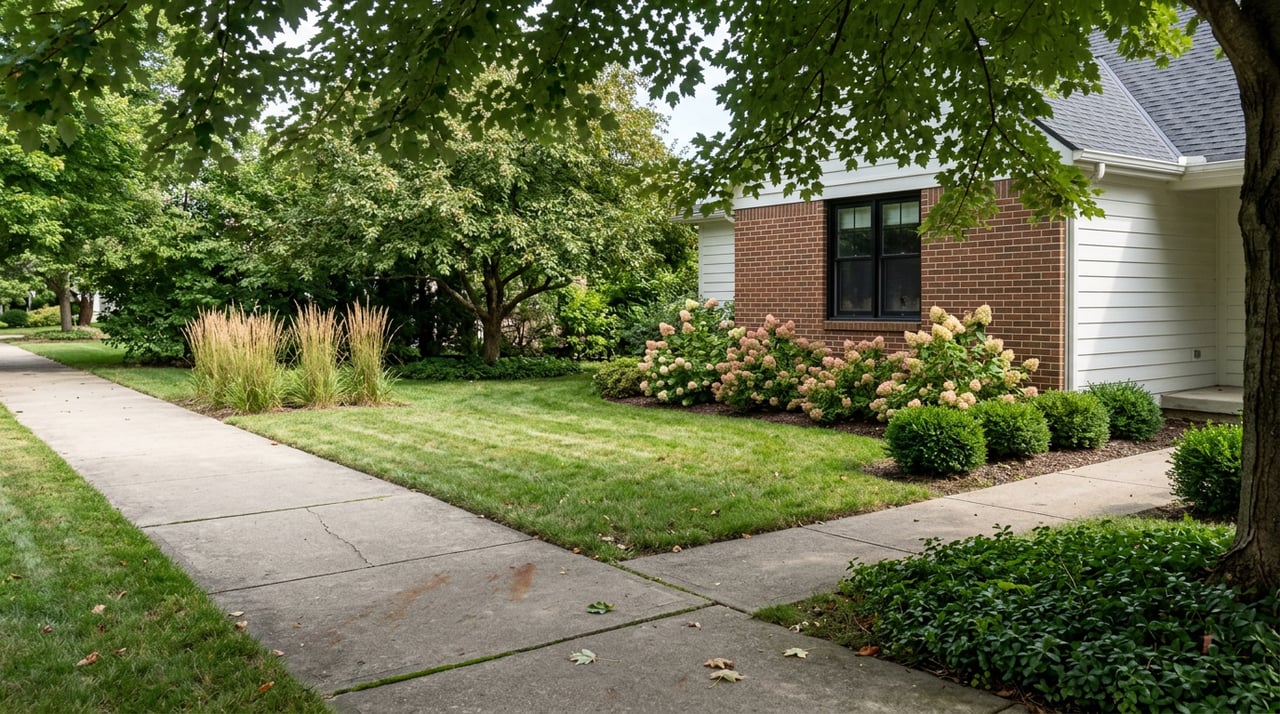
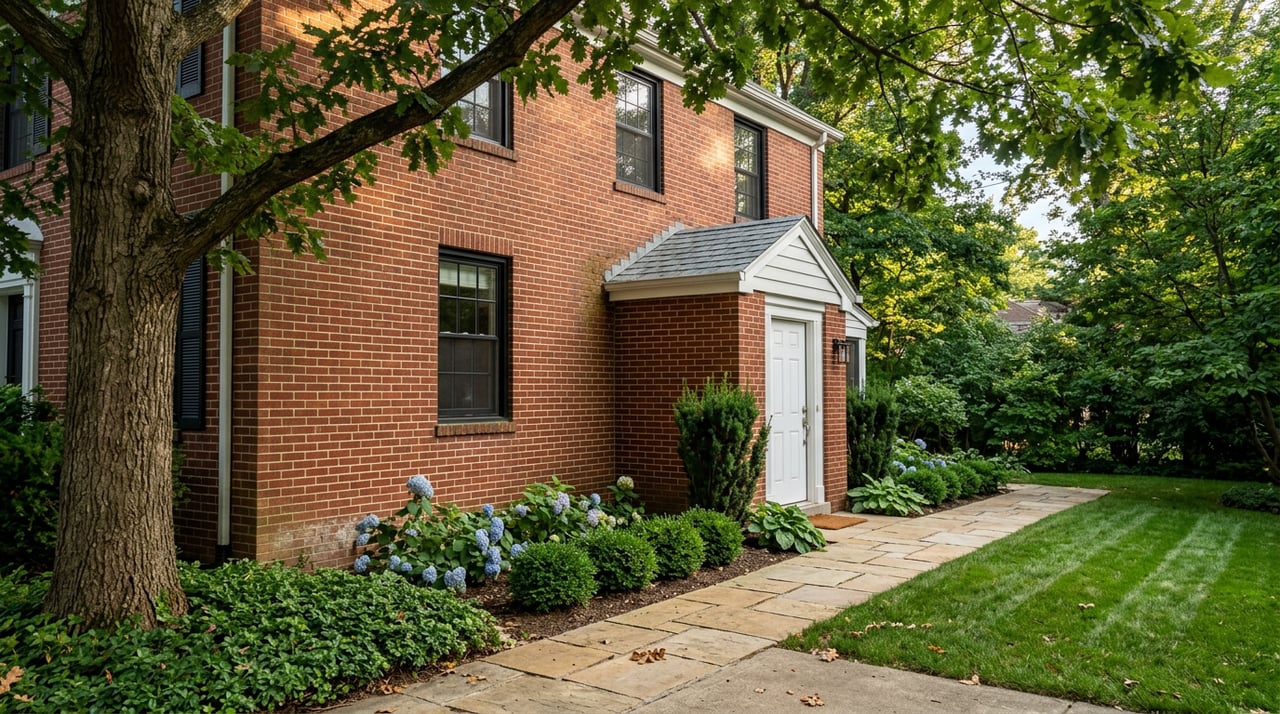
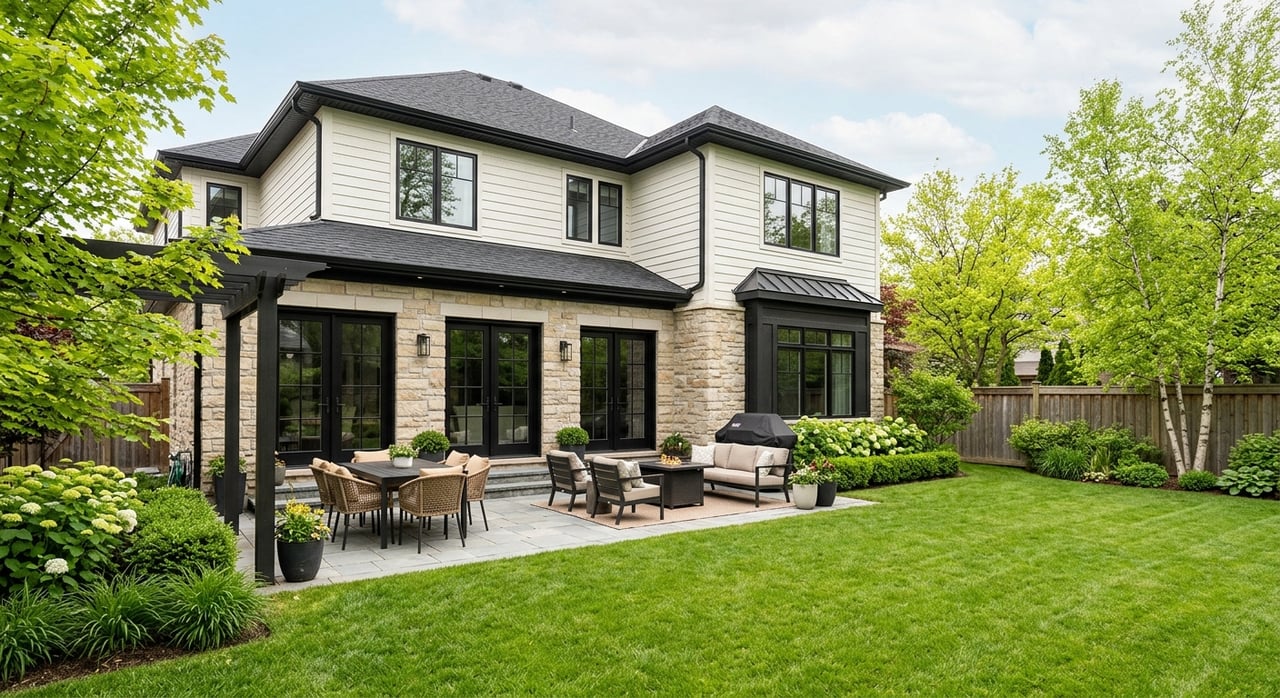
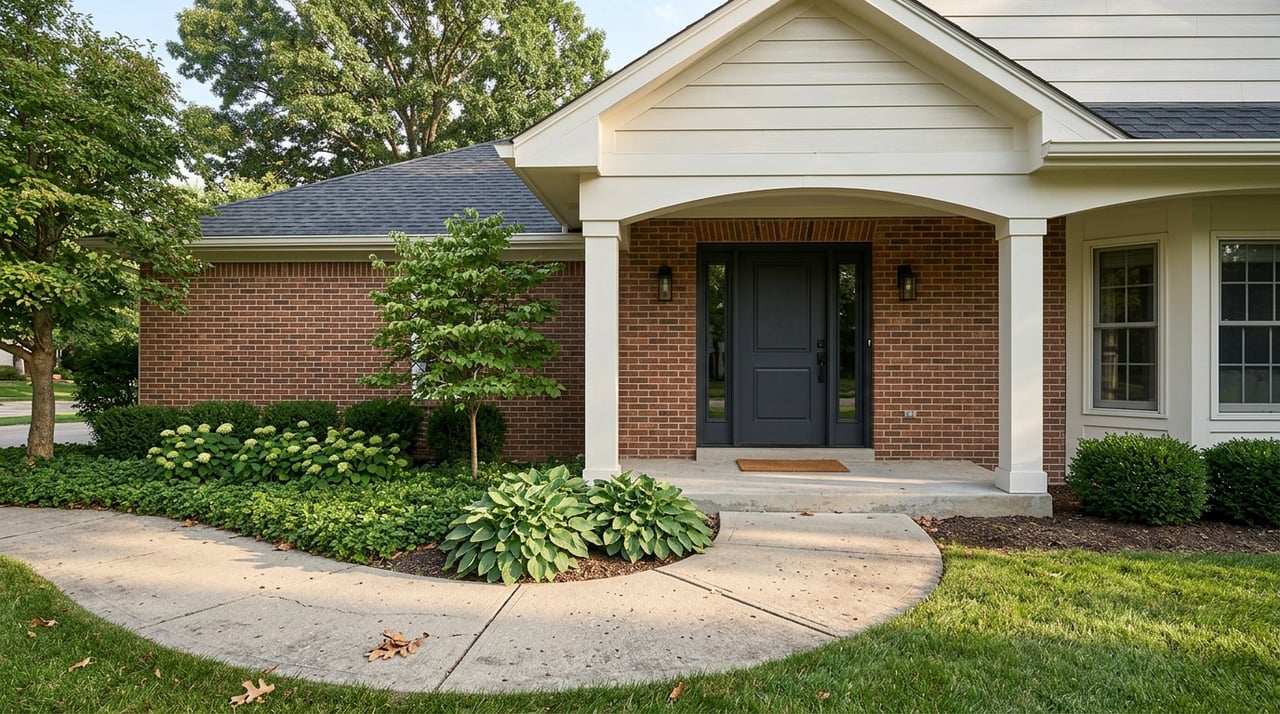
- Curb appeal: Mow, edge, trim, refresh mulch, and update house numbers and exterior lighting as needed.
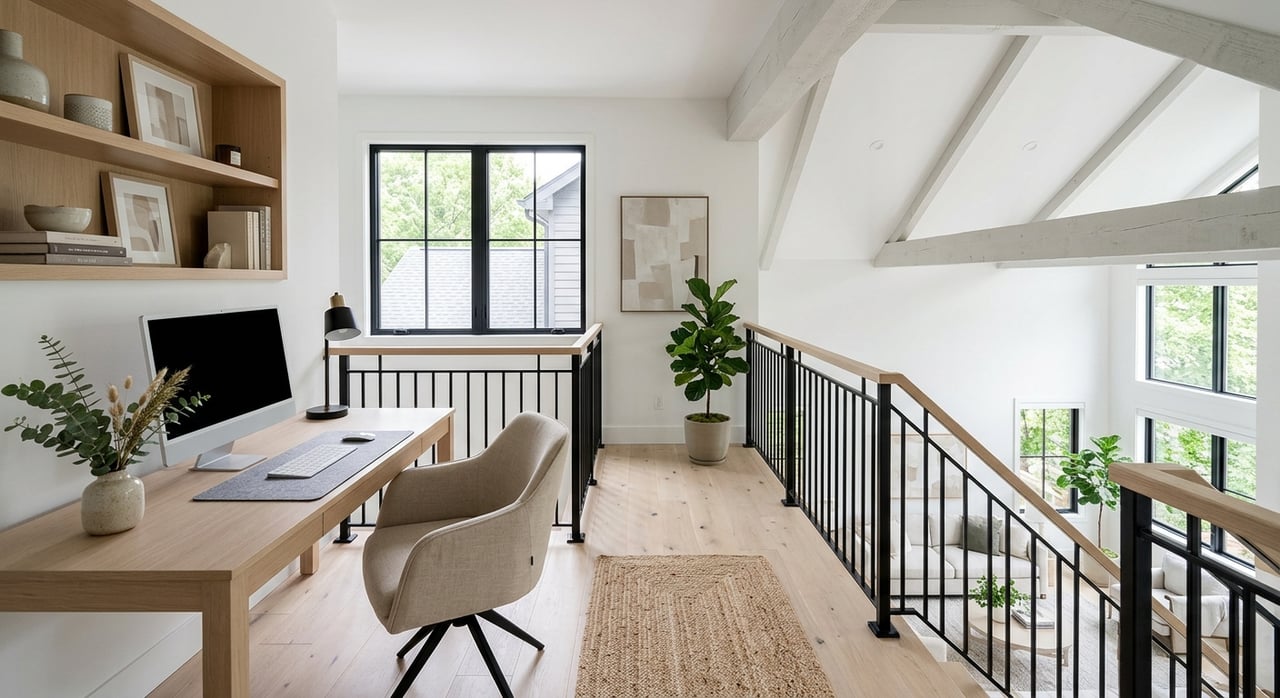
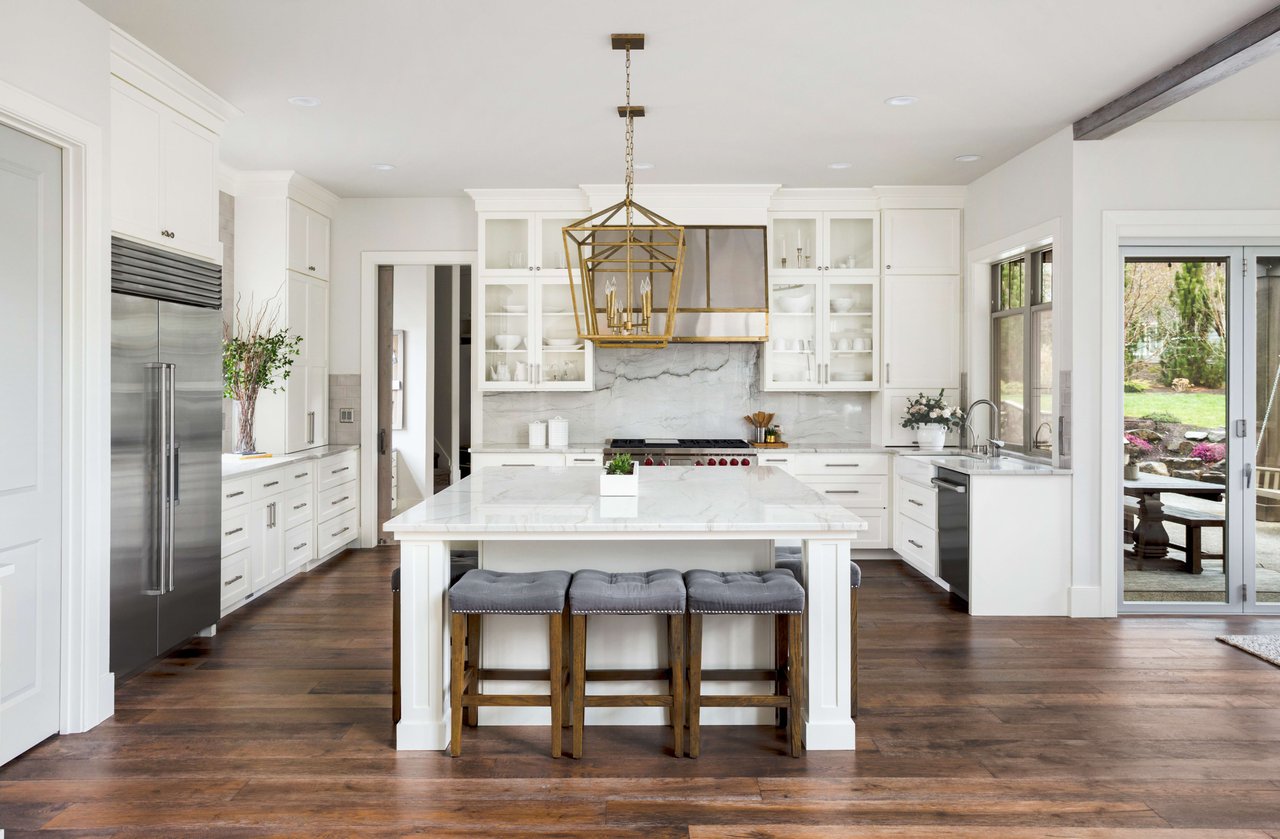
- Interiors: Declutter, deep-clean, and paint in neutral tones. Replace dated hardware and lighting. Refresh caulk and grout in kitchens and baths.
- Visuals: Use professional photography, a floor plan, and a 3D tour to widen your buyer pool and filter out low-intent showings.
- Outreach: Promote through MLS syndication, targeted local social ads, agent outreach, and weekend open houses for maximum visibility.
What you handle vs. what we handle
You can focus on your move while we manage the details:
- Pricing and strategy: Data-backed CMA and pricing band
- Prep support: Staging guidance and contractor referrals
- Marketing: Professional photos, floor plan, 3D tour, listing copy, and social/email promotion
- Showings: Scheduling, feedback tracking, and mid-course adjustments
- Offers and closing: Offer comparison, negotiation strategy, coordination with title, appraisal and inspection follow-through, and closing logistics
Your 30-day seller checklist
- Meet your agent and set pricing strategy
- Gather deed, payoff, taxes, utilities, warranties, HOA docs
- Complete Illinois and federal disclosures as required
- Knock out minor repairs and curb appeal
- Stage, declutter, and deep-clean
- Book professional photos and create marketing assets
- Go live on the MLS and launch promotions
- Host open houses and track feedback
- Review and negotiate offers with a comparison worksheet
- Move to inspection, appraisal, and closing coordination
Ready to list with a proven plan and a hands-on team behind you? Reach out to Cindy Grady Bunch for local expertise, staging and contractor coordination, and a smooth, team-backed process from list to close. Start with a free strategy session at Cindy Grady II, Inc..
FAQs
How long do homes in Rochester, IL typically take to sell?
- Time on market depends on price, condition, and available inventory. Most interest arrives in the first 7 to 14 days, so monitor activity closely and adjust based on real-time feedback.
Should I get a pre-listing inspection for my Rochester home?
- It can surface issues early, let you make targeted repairs, and build buyer confidence, though it adds cost and may reveal items buyers could negotiate. It is most useful for older homes or if you want fewer surprises.
What is the best way to price a home in Rochester?
- Build a CMA with recent comparable sales and adjust for features, updates, and condition. Price into a strategic band that attracts early buyers rather than starting high and chasing the market later.
What disclosures are required when selling in Illinois?
- Provide the state-required seller disclosure forms and, for pre-1978 homes, the federal lead-based paint disclosure and EPA pamphlet. Confirm current forms and any exemptions with a licensed professional or attorney.
What closing costs should I expect as a seller in Sangamon County?
- Typical seller costs include commission, agreed-upon concessions, payoff of mortgages or liens, and title and recording-related charges. Ask your title company for a seller net sheet tailored to your price point.
How can I increase my sale price quickly before listing?
- Focus on high-impact basics: declutter, deep-clean, neutral paint, curb appeal, professional photos, and a competitive price. Small cosmetic updates in kitchens and baths can also pay off.