Worried you’ll pour money into a full remodel that buyers won’t value? You’re not alone. Many Springfield sellers of older homes want a strong sale price without months of renovations or surprises during inspection. In this guide, you’ll learn what to fix, what to refresh, and what to skip for Springfield’s value‑driven market, plus smart pricing and prep tips that protect your bottom line. Let’s dive in.
What Springfield buyers value most
Springfield buyers often care more about condition and reliability than luxury finishes. Your home’s character can be a plus, but systems and function usually drive offers.
- Move‑in readiness and safe, reliable systems
- Functional kitchens and bathrooms without costly custom work
- Curb appeal and easy maintenance
- Location and convenience to parks, downtown, and schools in District 186 and local private options
- Clear documentation of maintenance and updates
Repairs first, cosmetics second
Prioritize safety and functionality before you think about high‑end upgrades. Buyers will pay to avoid big, immediate expenses more than they will for trendy finishes.
High‑priority fixes that protect a sale
- Structural and safety issues. Address foundation movement, active leaks, major mold, or pest problems. These issues can sink deals or trigger steep concessions.
- Roof condition. If the roof is near the end of its life, consider replacement or a credit. Uncertain roof condition scares buyers and lenders.
- HVAC, water heater, electrical, and plumbing. Make sure systems run safely and as designed. Replace hazardous electrical panels, correct exposed wiring, and handle obvious plumbing concerns.
- Lender red flags. Fix items that can stall financing, like unsafe stairs, lack of running water, or nonfunctional heat.
If you choose not to repair, plan to disclose and price accordingly.
Mid‑level updates that show well
- Fresh, neutral interior paint and drywall touchups
- Flooring repairs or tasteful replacements like refinished wood or quality vinyl plank
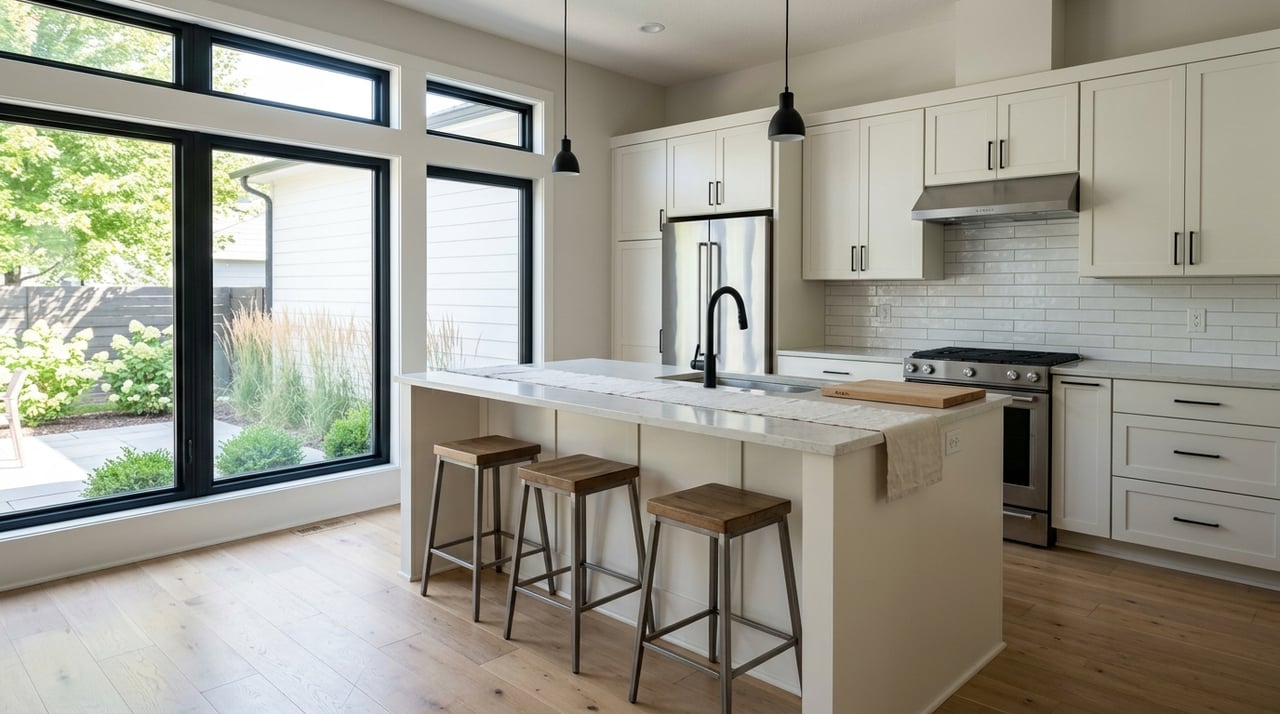
- Kitchen refreshes: paint or reface cabinets, update hardware, midrange countertops, modern lighting and faucet
- Bathroom refreshes: regrout, recaulk, new mirror and light, simple vanity hardware
- Updated lighting, switches, and door hardware throughout
- Garage door replacement if worn, which often provides strong perceived value
- Service HVAC and water heater, then keep receipts for buyer confidence
What to skip in most Springfield neighborhoods
- Full luxury kitchen or bathroom remodels that push your price beyond local comps
- Room additions or structural changes that require permits and long timelines
- High‑end personalized finishes that narrow buyer appeal
- Unpermitted work or exterior changes restricted by historic district rules
Cost‑effective updates with real ROI
Springfield is price‑sensitive. Focus on modest improvements with broad appeal.
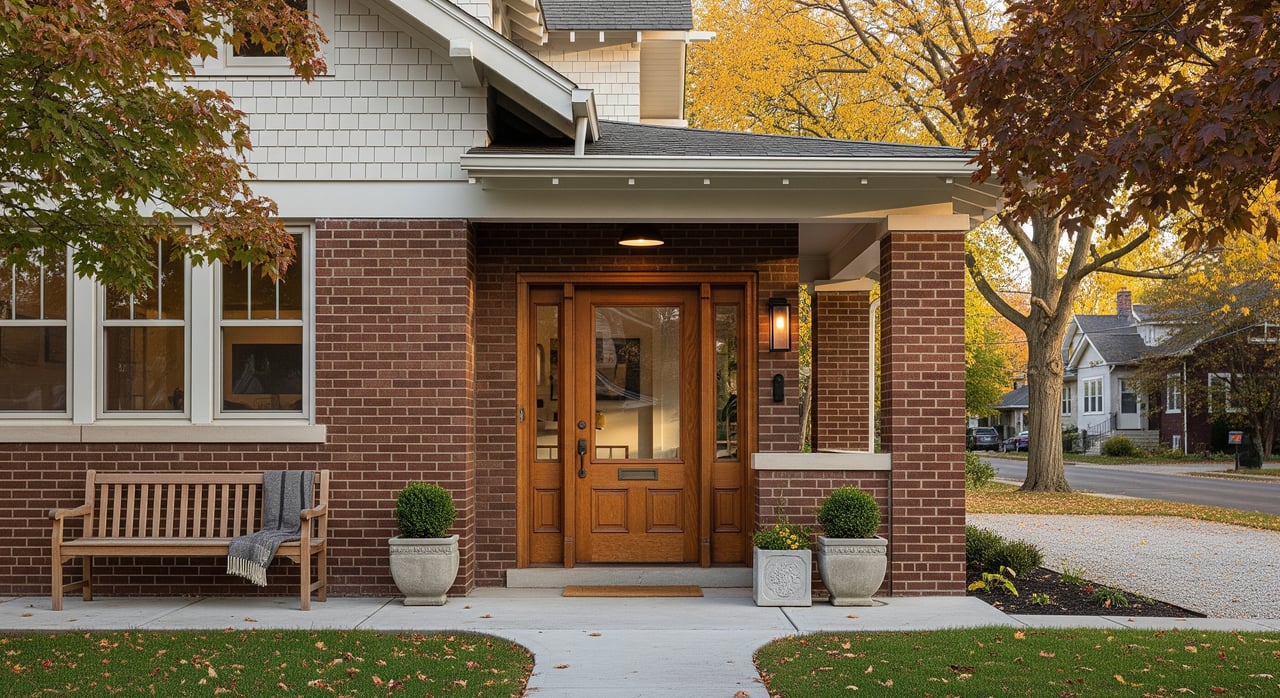
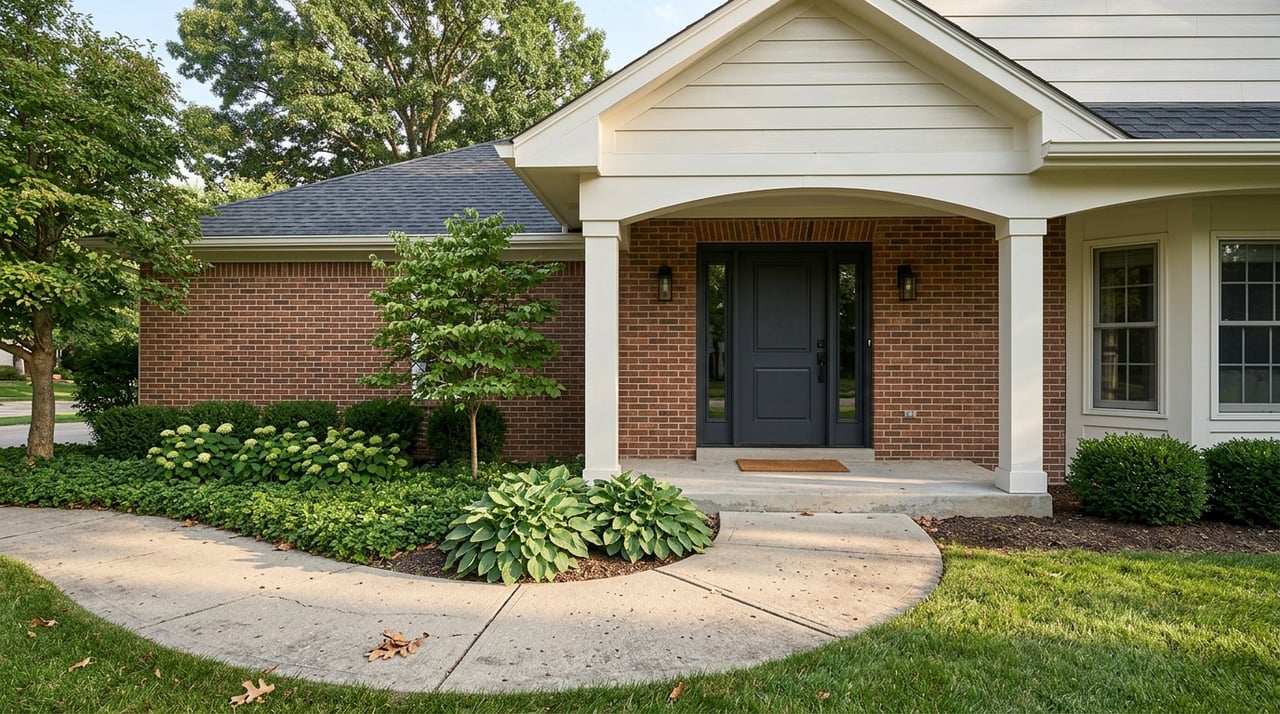
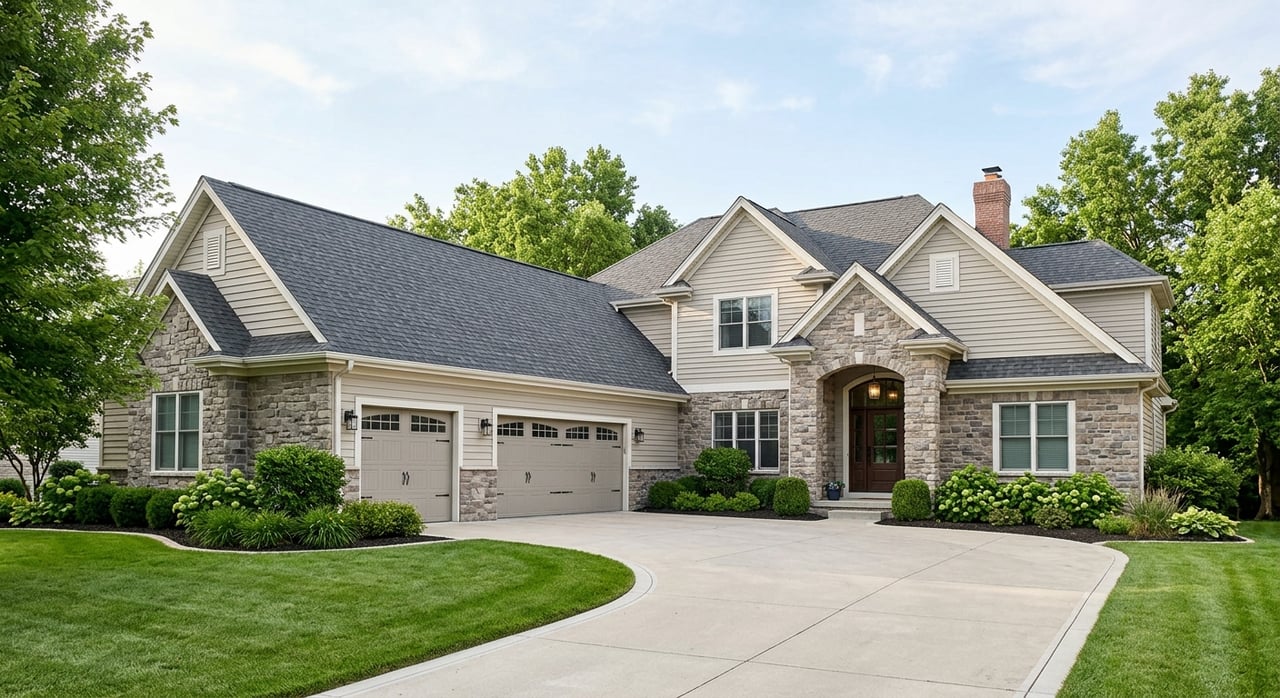
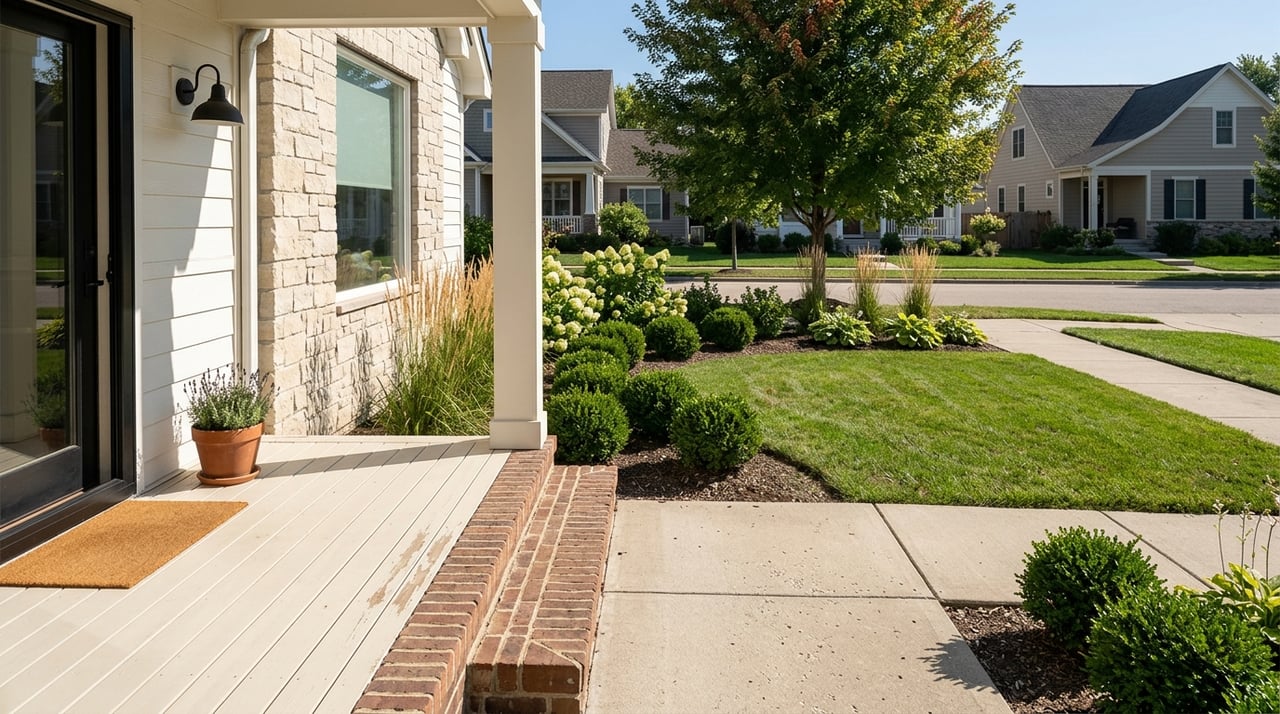
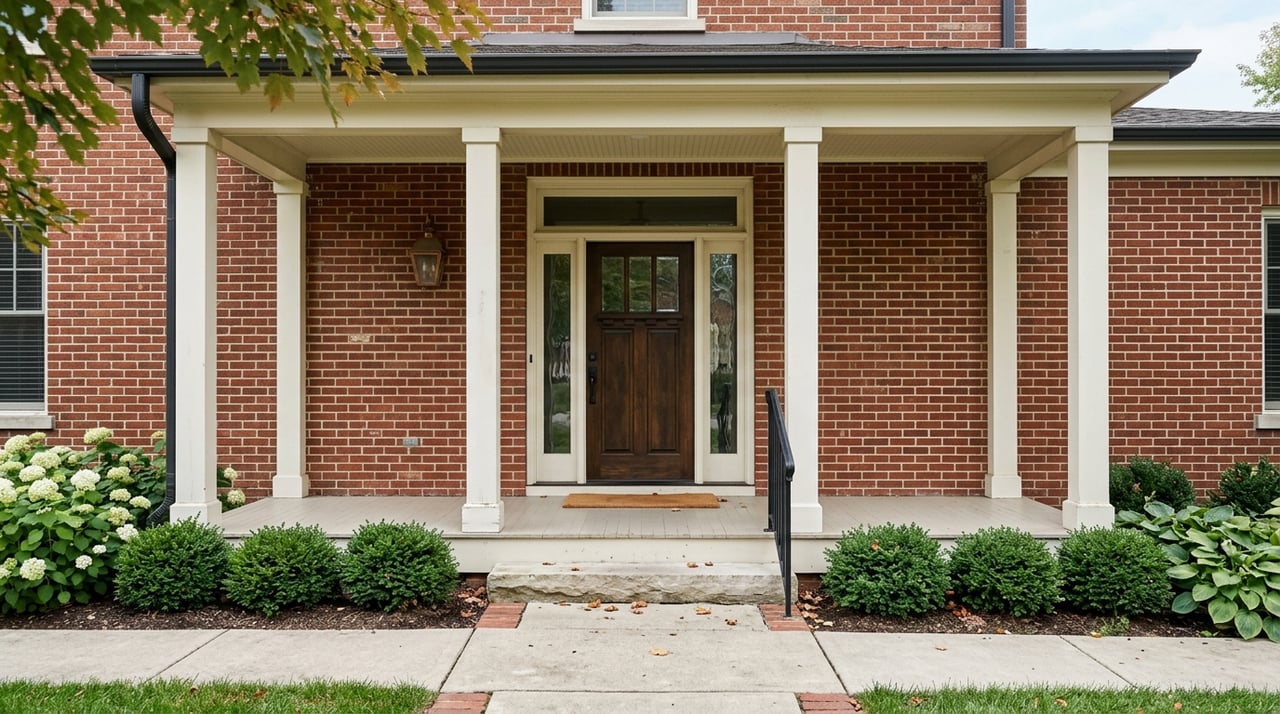
- Curb appeal matters. Power wash, tidy landscaping, edge and mulch, and paint or replace the front door. Update mailbox and house numbers for a clean first impression.
- Deep clean and declutter. Remove personal items, minimize bulky furniture, and eliminate odors. A spotless home photographs better and feels move‑in ready.
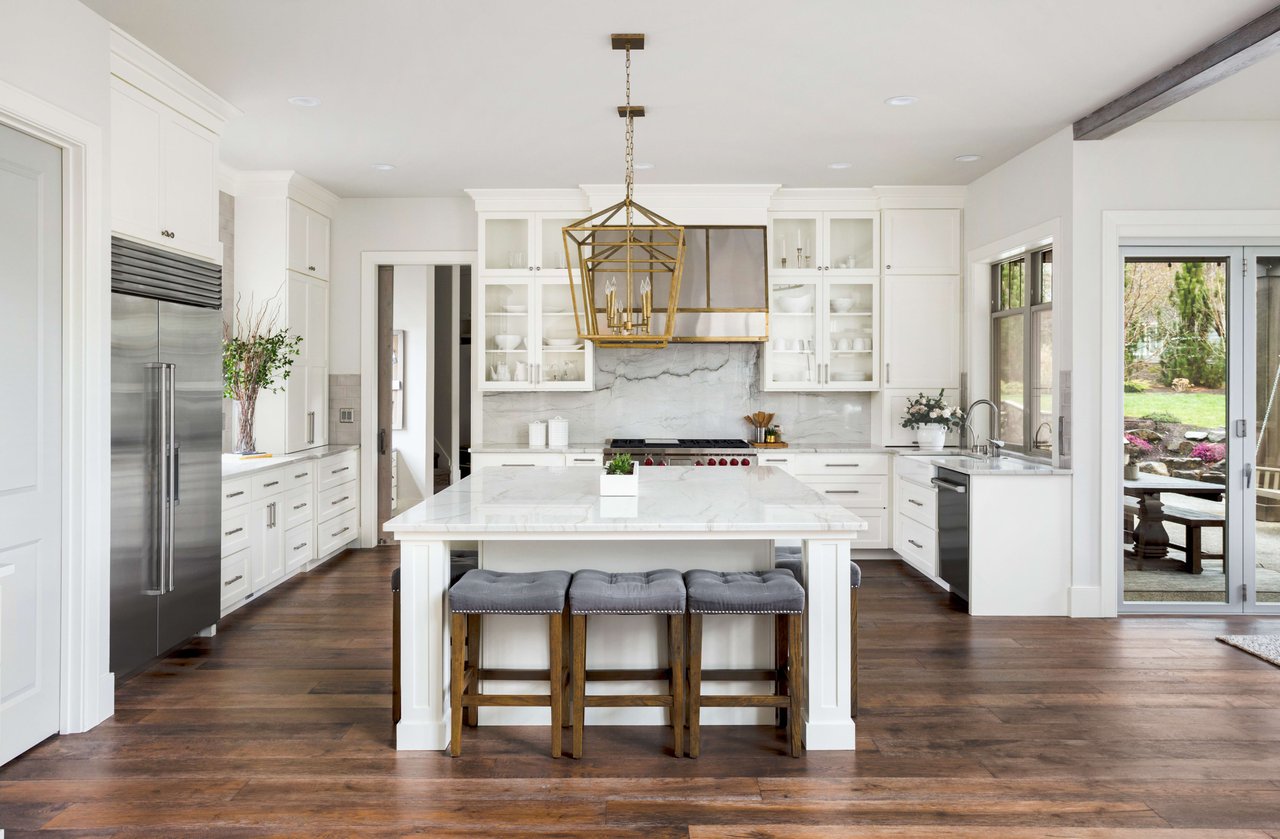
- Kitchen and bath “refresh,” not “remodel.” Small updates like cabinet hardware, faucet swaps, new lighting, and fresh grout deliver strong impact without overspending.
- Practical flooring choices. Refinish hardwoods or use durable, neutral plank vinyl where replacement is needed. Keep color choices light and consistent.
- Bright, efficient lighting. Replace dim bulbs and outdated fixtures to make rooms feel larger and newer.
- Document everything. Provide service records, warranties, and receipts to build buyer trust.
A simple rule: if an update will clearly be noticed in photos, showings, and inspection reports without exceeding neighborhood pricing, it is usually worth considering.
Pricing your older home the smart way
Older homes sell best when priced relative to local comps in similar condition. Work with a local agent for a thorough comparable market analysis.
- Price to compete with top comps if you have completed targeted, midrange updates and your systems are in good shape.
- Consider pricing slightly under market to attract multiple offers if inventory is tight and your home’s condition invites broad interest.
- Be realistic about “as‑is” value versus “move‑in ready.” Your neighborhood’s recent sales will guide how buyers respond to each strategy.
When it pays to offer credits
If a big‑ticket item like a roof or HVAC may turn buyers away, a credit can be smarter than a rushed replacement. Credits let buyers choose their contractor and may preserve your timeline. Disclose the issue, price with the credit in mind, and keep estimates on hand to show transparency.
Pre‑listing inspection and disclosures in Illinois
A pre‑listing inspection can uncover deal‑killers early and give you time to choose smart fixes. Sharing the report and receipts can reduce renegotiation and speed closing.
Required disclosures to plan for
- Illinois Residential Real Property Disclosure. You must disclose known material defects. Disclose rather than attempt to hide issues to avoid legal risk.
- Lead‑based paint for pre‑1978 homes. Federal law requires you to disclose known lead hazards and provide the lead safety pamphlet.
- Historic district rules. If your property lies in a historic district such as parts of Aristocracy Hill, Enos Park, or other protected areas, exterior changes may need review by the City of Springfield Historic Preservation Commission.
- Permits and unpermitted work. Disclose past work and permits. Appraisers and lenders often flag unpermitted additions or changes.
Staging that respects historic character
Springfield’s older homes often shine when you balance character with updated styling.
- Highlight original millwork, built‑ins, and porch details. Keep them clean and uncluttered.
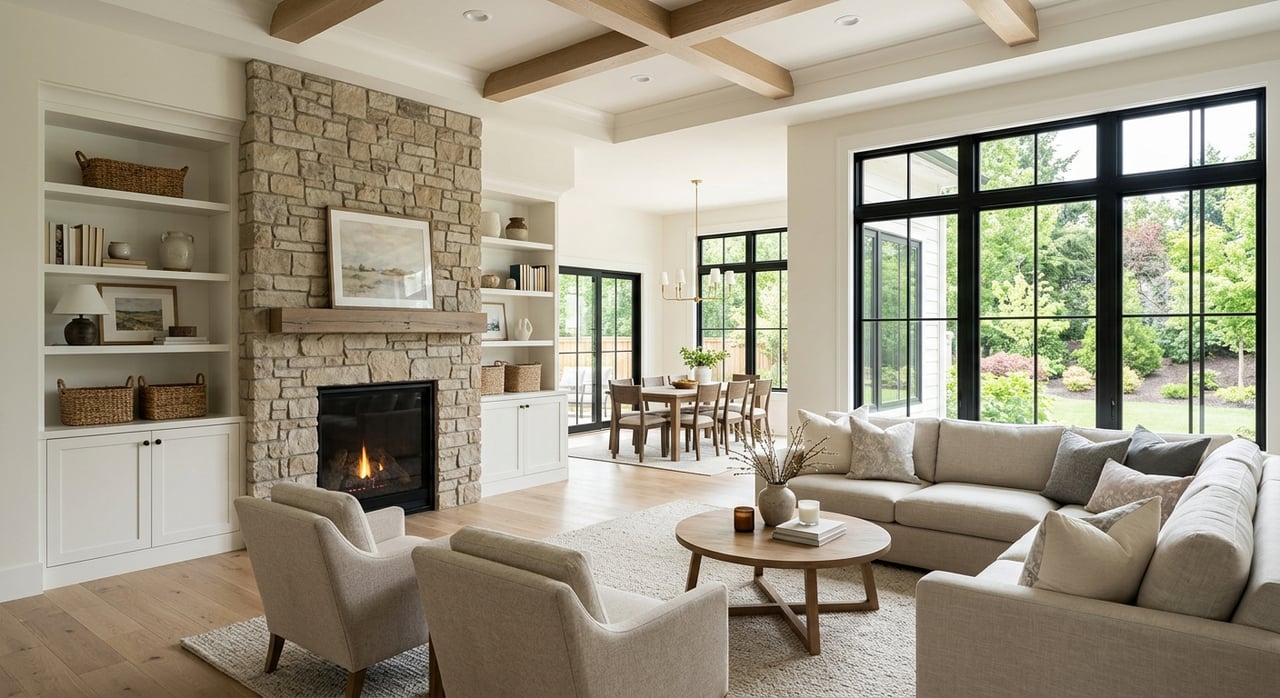
- Use neutral, contemporary furnishings to show scale and flow.
- Remove heavy drapes and increase light. Bright rooms feel larger and newer.
- Define each room’s purpose. Clear traffic paths so buyers see how the home lives.
Quick Springfield prep checklist
Use this to focus effort where it counts.
- Safety and systems: service HVAC, check water heater and plumbing, fix obvious electrical issues, and evaluate the roof.
- Cosmetics: neutral paint, repair or replace damaged flooring, update dated fixtures, and replace burned‑out bulbs.
- Curb appeal: mow and edge, prune trees and bushes, clean walkways, and refresh the front door and hardware.
- Documentation: gather maintenance records, permits, warranties, and any inspection reports.
- Compliance: complete Illinois seller disclosures and lead paint disclosure for pre‑1978 homes.
- Marketing prep: schedule professional photos, consider a floor plan, and highlight both historic features and recent system updates in your listing notes.
As‑is or make‑ready: choose based on math
Selling as‑is can make sense if repair costs are high relative to expected price or if your likely buyer is an investor. Otherwise, modest system fixes and light cosmetic updates typically net a faster sale and stronger price. Ask your agent for a simple net sheet that compares your options side by side.
How the Cindy Grady Bunch team helps
You should not have to guess which improvements pay off. Our team is rooted in Springfield and works across Sangamon County every day, so we know what buyers expect in each neighborhood and price band.
Here is how we support you from start to finish:
- Free consultation and pricing strategy with a data‑driven comparable analysis
- On‑point prep plan that prioritizes safety, system reliability, and high‑impact refreshes
- Contractor referrals and coordination for repairs, paint, flooring, and light updates
- Staging guidance and photography that showcase your home’s strengths
- Full‑service marketing through our brokerage channels and local MLS reach
- Team‑based coverage, responsive communication, and end‑to‑end transaction management
Ready to price smart and sell with confidence? Connect with the local team that keeps your goals first. Request your Free Consultation and Home Valuation with Cindy Grady II, Inc..
FAQs
What are the best quick updates for an older Springfield home?
- Focus on neutral paint, minor flooring fixes, updated lighting and hardware, and simple curb appeal projects that photograph well.
Should I replace the roof before listing in Springfield?
- Replace if the remaining life will block buyer financing or showings, otherwise disclose the condition and consider a buyer credit with estimates.
How much should I budget for pre‑listing improvements on an older home?
- Prioritize safety and systems first, then plan a modest refresh; your agent can help set a cap based on neighborhood comps and likely ROI.
Do I need permits for minor updates like paint and fixtures?
- Most light cosmetic updates do not require permits, but structural changes, additions, or exterior work may, especially in historic districts.
How do historic district rules affect exterior changes in Springfield?
- If your home sits in a designated historic district, exterior alterations often require review by the City’s Historic Preservation Commission.
Is a pre‑listing inspection required in Illinois for older homes?
- It is not required, but it is often worth it to surface issues early, reduce renegotiation, and help buyers feel confident.
How should I price an older home with an outdated kitchen?
- Use comps for similar‑condition homes and consider a targeted refresh or a buyer credit rather than a full remodel.
What documents should I provide buyers to build confidence?
- Share system service records, roof and HVAC receipts, warranties, permits, and any pre‑listing inspection reports to show transparency.