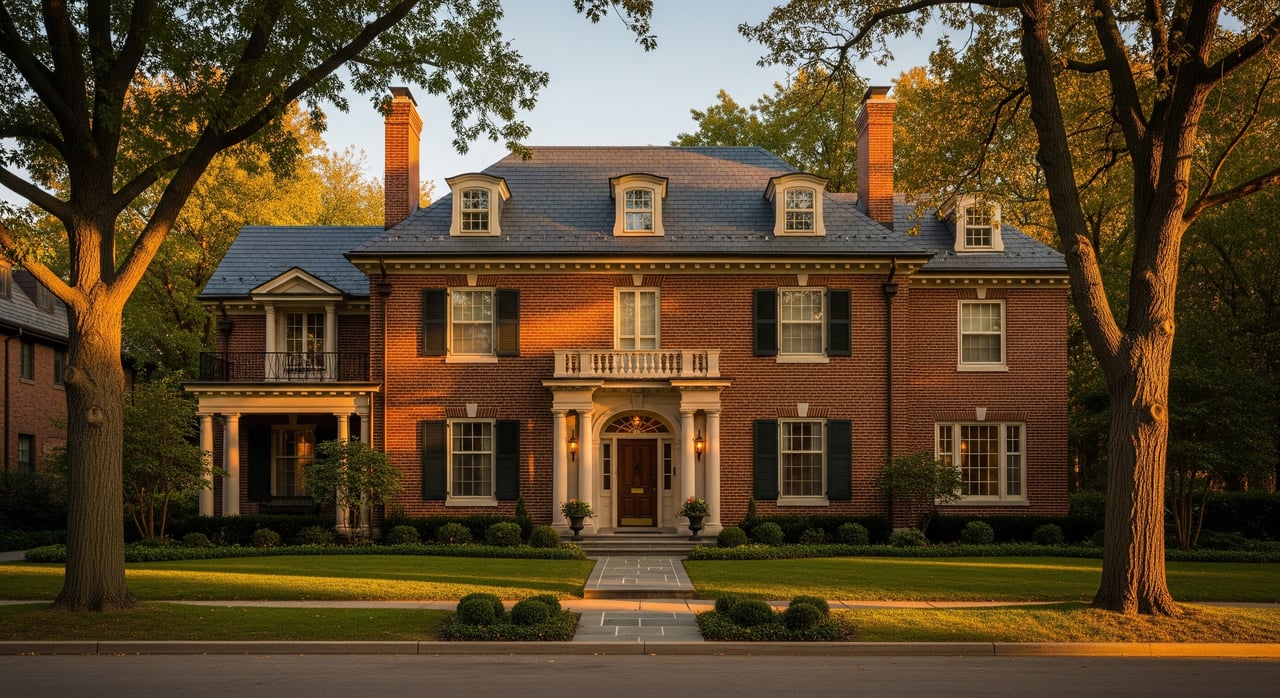
Leland Grove Down Payment Assistance Options for Buyers
January 1, 2026
January 1, 2026
Are down payment costs keeping you on the sidelines in Leland Grove? You are not alone. Many buyers in Sangamon County want to move forward but need help covering upfront cash. The good news is there are real options that can reduce what you need to bring to the table.
In this guide, you will learn where assistance comes from, who qualifies, and how to stack the right program with the right loan. You will also get a simple timeline and checklist you can use today. Let’s dive in.
Down payment assistance usually comes in a few forms:
Each option has rules about income, purchase price, and occupancy. Most require that the home is your primary residence and may ask you to complete a homebuyer education course.
The Illinois Housing Development Authority is the most common source for down payment help statewide. IHDA pairs assistance with specific first mortgages and sets program rules by county. Typical features to confirm for Sangamon County include the assistance amount, whether it is forgivable or deferred, income and purchase price limits, and which loan types qualify. Product names and details change, so you should verify the current offerings directly with IHDA and work with a lender that participates.
Local governments sometimes use Community Development Block Grant or HOME funds to support buyers. Programs can target low to moderate incomes or specific groups. Availability shifts based on funding cycles. If you are buying in Leland Grove, check with the City of Springfield’s community development office and Sangamon County housing contacts to see if any homebuyer programs are active and whether Leland Grove addresses qualify.
HUD-approved housing counseling agencies and community nonprofits in the Springfield area often provide homebuyer education and may offer small grants, matched savings, or guidance on assembling your funding package. Education certificates from approved providers are commonly required for many assistance programs and loan types.
Major employers in the area sometimes offer homebuyer benefits. Hospitals, universities, and government agencies may provide relocation assistance, grants, or forgivable loans for employees. Ask your HR department what is available and how it works with your mortgage.
FHA mortgages allow low down payments for qualified buyers. FHA typically permits certain forms of down payment assistance if the funds meet documentation and secondary financing rules. Your lender will confirm what is acceptable and how a second mortgage or grant should be structured.
USDA Rural Development loans offer 100 percent financing for eligible properties and households within income limits. Eligibility depends on the property’s location and your household income. Some addresses near Springfield may qualify. Check the USDA eligibility map for the specific Leland Grove address or speak with a USDA-approved lender.
Eligible veterans and active-duty service members can use VA loans with 0 percent down in many cases. VA allows certain forms of assistance and seller concessions. Work with a VA-approved lender to review your entitlement and how assistance affects your loan terms.
Fannie Mae HomeReady and Freddie Mac Home Possible allow down payments as low as 3 percent for qualified borrowers. These programs often come with income limits and require mortgage insurance. Depending on the rules, you may be able to combine them with third-party assistance.
Many state and local programs are designed to pair with FHA, USDA, VA, or conventional financing, but each has specific rules. Some assistance is a forgivable grant. Others use a second mortgage behind your first loan. Align your lender, loan product, and assistance program early so your approvals and timelines match.
While each program is different, you will see common criteria:
Plan to gather these documents early:
Pro tip: Keep funds “seasoned.” Large recent deposits will need a paper trail.
Here is a typical path from planning to closing. Build in extra time for assistance approvals.
Get pre-approved with a lender who participates in the assistance program you plan to use. Initial pre-approval usually takes 1 to 7 days.
Confirm eligibility and, if required, reserve funds with the program administrator. Some programs require a reservation before closing, and funding is limited.
Complete homebuyer education. Courses are offered online or in person and often take several hours.
Shop and make an offer. Your pre-approval and program guidelines will shape your price range and contract terms.
Submit the assistance application. After you have a signed contract, provide documentation to the administrator. Processing can take a few days to several weeks depending on demand.
Loan underwriting and appraisal. Your lender and the assistance administrator coordinate conditions and deadlines.
Close on your home. Make sure occupancy and post-closing requirements are clear.
Overall, allow an extra 2 to 8 weeks for assistance approval on top of normal mortgage processing.
Assistance is often a fixed dollar amount or a percentage of your loan, commonly in the 3 to 5 percent range. Some options are forgivable after a set number of years if you live in the home. Others are deferred second mortgages that come due when you sell or refinance. Because program amounts and terms change, confirm the current numbers for Sangamon County before you write an offer.
If Leland Grove is your target, you have realistic ways to lower your upfront cash. Start with a DPA-friendly pre-approval, confirm what IHDA and local options are open today, and plan your timeline around reservations and education. With the right plan, you can move from “maybe” to “sold.”
Ready to map out your path and connect with local lenders and counselors who understand Sangamon County programs? Reach out to the team at Cindy Grady II, Inc. for a friendly, step-by-step plan tailored to your budget and timeline.
Stay up to date on the latest real estate trends.


3701 Wabash Ave Springfield IL 62711