Buying In Leland Grove: What The Springfield ZIP Code Hides
August 6, 2026
August 6, 2026
Pull up a home search for Leland Grove and something odd happens. Half the listings say Springfield. The rest say Leland Grove. The ZIP is the same, 62704. The tax bill is not. The city government is not. The way an offer needs to be written is not.
Buyers who treat Leland Grove as a Springfield neighborhood tend to make three predictable mistakes. This post is about those mistakes, and about the small enclave whose structure creates them.
Leland Grove is a separately incorporated city of about 1,520 residents sitting inside the Springfield city limits. The MLS accepts either address on a listing, and portals default to the mailing city. That means a search filtered on "Springfield" will pick up Leland Grove homes without labeling them, and a search filtered on "Leland Grove" will miss any listing the agent input as Springfield. As of March 2026, the visible active count in Leland Grove ranged from 3 to 9 homes depending on which portal a buyer used. That is not a discrepancy in the market. That is a discrepancy in how listings get tagged.
The practical consequence: a buyer who has set up automatic alerts for one city name is watching half the shelf. A seller who lists as Springfield gets more portal traffic but loses the buyers specifically hunting Leland Grove.
Leland Grove is not a Springfield neighborhood. It is a one-square-mile city with its own mayor, its own police force, its own tax structure, and its own inventory dynamics. Treating it as anything else costs money.
The city incorporated in 1950 and is run by a six-member council, each representing a geographical ward. City Hall sits at 2000 Chatham Road. The current City Administrator is Tyler Lanier. The Leland Grove Police Department is led by Chief Dan Ryan and operates its own non-emergency line at 217-522-6611, separate from Springfield PD dispatch. The city code, currently through Ordinance 447 passed January 26, 2021, is published through American Legal Publishing and covers everything from zoning to building permits to portable storage units on residential lots.
Why this matters to a buyer: permits, code enforcement, and rental restrictions come from Leland Grove, not from Springfield. If a listing describes a finished basement, a detached structure, or a container that sat in the driveway during a renovation, the paper trail lives with Leland Grove City Hall. Confirming that paper trail during due diligence is a phone call to a different number than the one a buyer would use for a home three blocks east.
Here is the number that reframes the whole conversation. According to city-data.com's 2024 figures, the median real estate property tax paid on Leland Grove housing units with a mortgage was $6,857, and $7,737 on units without a mortgage, against a 2024 median home value of roughly $274,300 to $306,507 depending on the source. That is an effective property tax rate in the 2.3% to 2.5% range on the median home.
The sales tax picture just changed. In a public FAQ distributed to residents in the Summer 2025 Leland Link, the city explained its rationale for a new 1% non-home-rule sales tax, noting that before online shopping became routine, a local sales tax offered little benefit because Leland Grove has no business district, but changing consumer habits made a 1% tax on delivered purchases a way to diversify revenue and lessen reliance on property taxes. The ordinance was approved September 23, 2025 and, per the city's timeline, took effect January 1, 2026.
For context, the FAQ compared local rates:
| Municipality | Local Sales Tax | Rule Status |
|---|---|---|
| Springfield | 2.50% | Home rule |
| Sherman | 1.50% | Home rule |
| Williamsville | 1.00% | Home rule |
| Jerome | 1.00% | Non-home rule |
| Divernon | 1.00% | Non-home rule |
| Leland Grove (effective 1/1/26) | 1.00% | Non-home rule |
The buyer takeaway is narrower than it looks. The new 1% applies to internet purchases delivered into Leland Grove at the combined destination rate. It does not change the tax on in-person shopping at Springfield retailers, which continues at Springfield's home-rule rate. And the city has explicitly framed the new revenue as a hedge against future property tax increases, not an addition to them. Whether that holds is a question for future budgets, but the direction of stated intent matters when a buyer is trying to model carrying costs five years out.
Sangamon County is not a soft market right now. Redfin data through March 2026 put the Springfield median sale price at $186,000, up 22.4% year over year, with homes selling in a median 28 days. Houzeo's March 2026 read on Springfield showed 1.1 months of supply, 98.43% sale-to-list, and 28.32% of homes closing above asking. By June 2026, homestimulus.com's tracking of the Springfield metro showed a median of about 4 days on market at 1.0 months of supply.
Leland Grove sits inside that market and does something different. Realty.com's tracking of the Leland Grove submarket showed an average 66 days on market at a median $175 per square foot on a median home size of 2,735 square feet and a median lot of 15,246 square feet. Homes here are bigger, sit longer, and cost more per foot than the Springfield median. That combination is what a thin, higher-price-band submarket looks like when a small number of listings each attract a smaller, more specific buyer pool.
The strategic implication for a buyer: bidding tactics that work in the broader Springfield market do not automatically translate. A four-day cash-competitive scrum is a Springfield pattern. A Leland Grove listing may sit for two months and then trade close to asking after a single serious offer. Escalation clauses are less useful. Clean terms and a willingness to accommodate a seller's timing matter more.
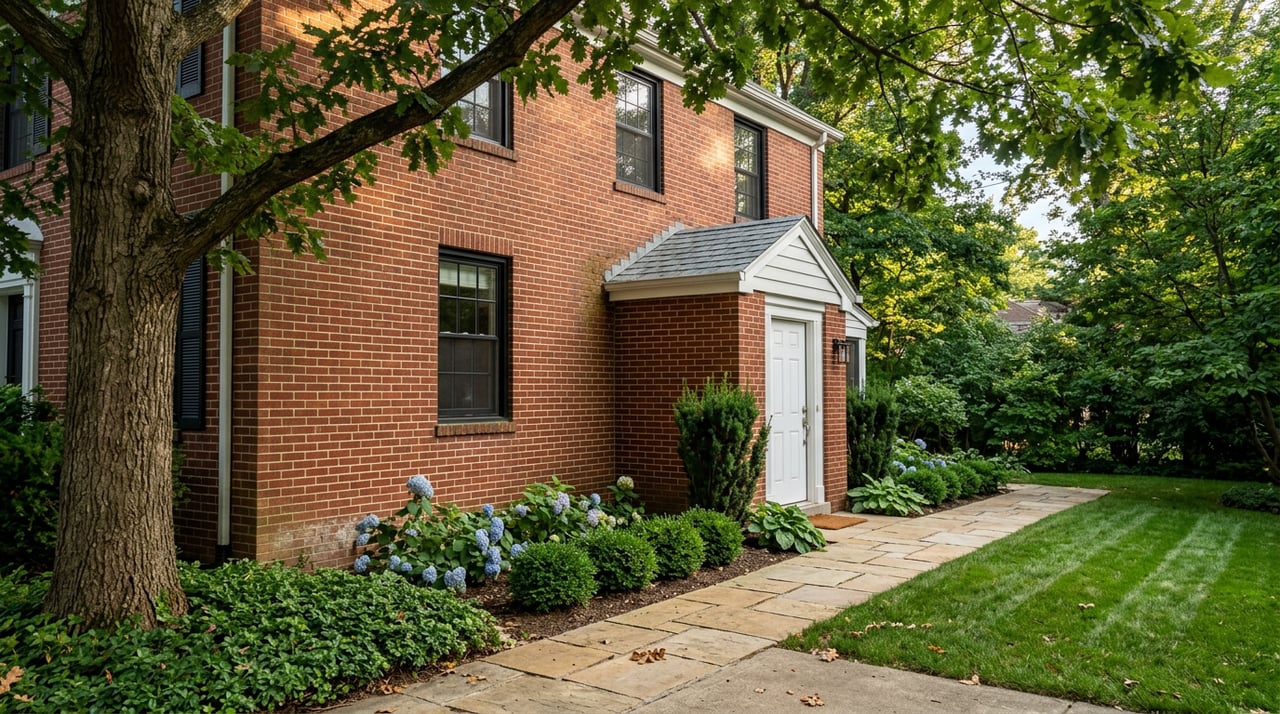
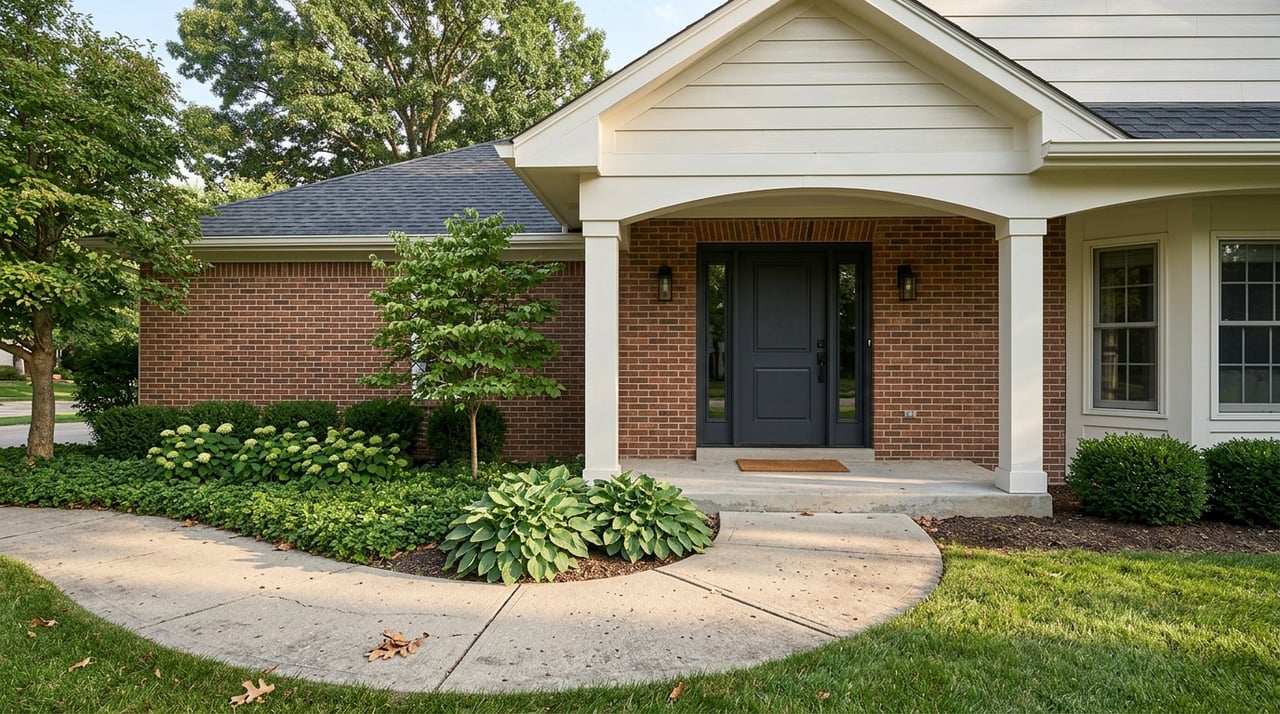
The Leland Grove housing stock is older, wooded, and varied. Recently sold examples on South Park Avenue, South Bates Avenue, South Noble Avenue, and Illini Road include red brick two-stories built in the mid-century, ranch homes that live as multilevels, and quarter-sawn oak bungalows on tree-lined streets. Mature trees are a defining feature, along with substantial lots that push the median above 15,000 square feet.
Older homes on wooded lots come with a predictable inspection list. In practical order:
None of these are Leland Grove problems specifically. They are older-housing-stock realities, and Leland Grove's inventory skews to that stock.
A few practical moves for a buyer working this submarket:
Do Leland Grove homes appraise the same as comparable Springfield homes? Appraisers pull comps from the surrounding market, which usually includes adjacent Springfield neighborhoods. In practice the enclave supports a modest premium, reflected in the higher per-square-foot median. Bring that up with your lender's appraiser early.
Does the 1% sales tax affect closing costs? No. It applies to certain retail and internet purchases delivered into the city. Closing costs are unaffected. Long-term carrying costs may shift if the city uses the revenue to hold property taxes flat.
Is there any HOA layer on top of the city? Leland Grove itself is the governing body for most residential regulation. Individual streets and subdivisions may or may not have covenants. Ask for any recorded restrictions during the disclosure review.
How should sellers list the address? Both cities are acceptable in the MLS. Listing as Leland Grove reaches the buyers actively searching the name. Listing as Springfield reaches a broader portal audience. A good agent uses both in the remarks so the property surfaces on either search.
If you are weighing a purchase in Leland Grove, or thinking about listing a home there and want the address strategy handled correctly, Cindy Grady Bunch can walk you through the specifics of this submarket and pull the recent comparable sales that matter for your street. Request a free consultation and home valuation to get started.
Stay up to date on the latest real estate trends.

3701 Wabash Ave Springfield IL 62711