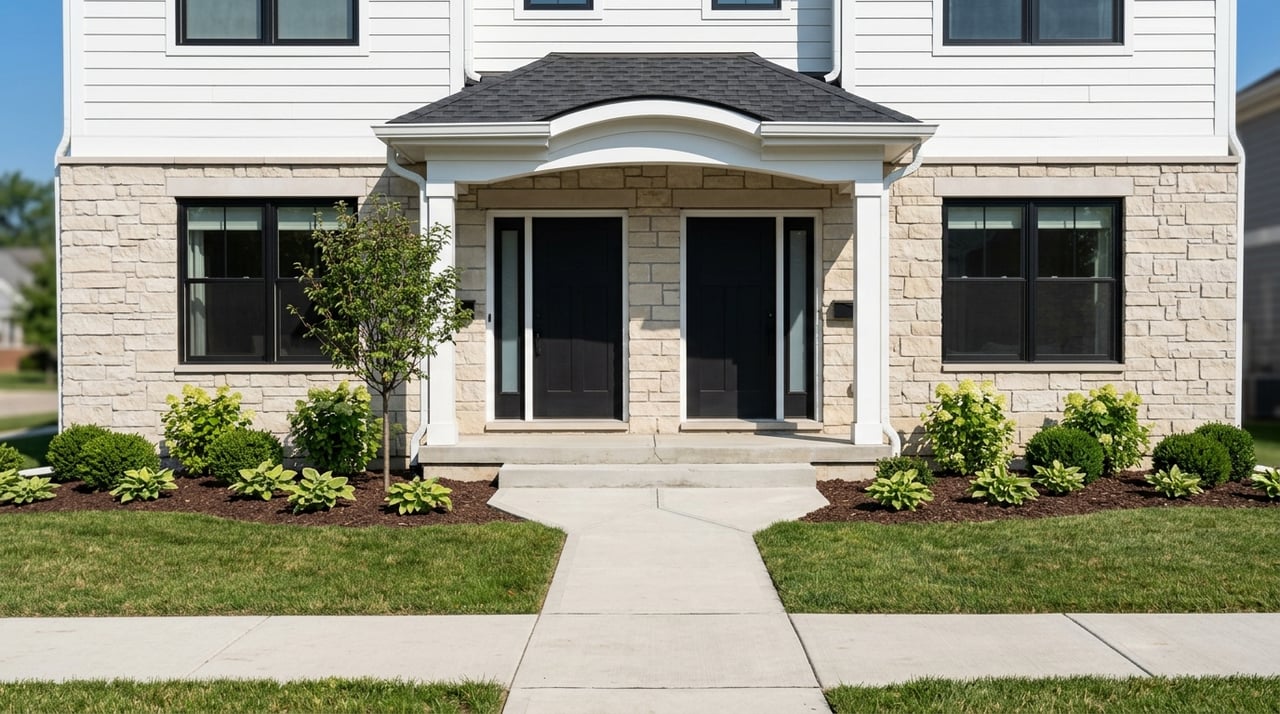
Beginner’s Guide to Springfield Small Multifamily Investing
April 16, 2026
April 16, 2026
If you have been thinking about buying a duplex, triplex, or four-unit property in Springfield, you are not alone. Small multifamily investing can look like a practical way to build income, but for beginners, the numbers and property condition can feel harder to judge than a typical single-family home. The good news is that Springfield offers a moderately priced market where careful research, realistic underwriting, and strong local guidance can make a real difference. Let’s dive in.
Springfield is a mature market, not a rapid-growth market. According to the latest U.S. Census QuickFacts for Springfield, the city had an estimated 112,949 residents in July 2024, a median household income of $66,064, a median gross rent of $975, and a median owner-occupied home value of $162,100.
That matters because beginner investors should not assume rising prices alone will carry a deal. In Springfield, small multifamily performance often depends more on location by block, building condition, rent accuracy, and tax discipline than on fast appreciation.
The city’s 2025 Consolidated Plan also points to a shortage of affordable housing and specifically notes a need for more one- and two-bedroom rental units downtown. For you as a buyer, that helps explain why smaller multifamily properties can still make sense here, especially when unit mix matches current demand.
For most beginner investors, small multifamily usually means a duplex, triplex, or four-unit property. These properties can offer multiple rent streams while staying smaller and often more manageable than a larger apartment building.
That does not mean they are simple. In Springfield, many of these properties are older, and older buildings can come with bigger repair, code, and budgeting questions than first-time buyers expect.
Not every opportunity in Springfield looks the same. The city’s planning documents repeatedly highlight areas like the Eastside, Downtown, and the former Pillsbury Mills area, and each comes with different strengths and risks.
The city describes the Eastside as an area with mostly single-family housing, a mix of owner-occupied and rental units, older housing stock, vacant parcels, and a concentration of substandard or abandoned properties. At the same time, the area is noted for strong neighborhood organization and proximity to downtown and the medical campus.
For a beginner investor, that means the Eastside may offer opportunity, but property-level review is critical. One block may feel very different from the next in terms of condition, vacancy, and likely repair scope.
Downtown Springfield has a different profile. The city says it includes 56 blocks and sits within a one-mile radius of more than 54,000 employees each day, which supports the case for rental demand in the area.
The same plan also notes that downtown has many older buildings and vacancies, including buildings that could potentially be converted to housing but may require major layout changes. If you are just starting out, that makes downtown more of a careful analysis zone than an automatic yes.
Enos Park stands out because the city says there is a land bank with about 80 lots, along with district-specific incentive and rehab program pages. That can signal ongoing redevelopment activity, but it also reinforces an important point: in Springfield, you should evaluate each block, each parcel, and each building, not just the neighborhood name.
One of the biggest mistakes new investors make is overestimating rent. A property can look great on paper until you test the actual achievable rent, vacancy, owner-paid utilities, and repair reserves.
A useful starting point is HUD’s Fair Market Rent explanation, but you need to use it correctly. HUD fair market rents are gross rent estimates, meaning they include rent plus tenant-paid utilities, excluding phone, cable, and internet. They are a benchmark, not a replacement for actual comparable rent research.
Springfield’s FY2026 small-area FMR schedule shows how much rents can vary by ZIP code. For example:
These figures help you sanity-check an asking rent, but they should be paired with local comps and the details of the property itself. Springfield’s citywide median gross rent is $975, so your deal needs to make sense at both the ZIP-code level and the building level.
Unit mix matters in almost every market, and Springfield is no exception. The city’s Consolidated Plan specifically notes a need for additional one- and two-bedroom rental units downtown.
If you are comparing two similar small multifamily properties, the one with a more practical mix of one- and two-bedroom units may deserve a closer look. That does not guarantee stronger performance, but it gives you another lens for evaluating long-term rental demand.
Springfield’s housing stock is a major part of the investing story here. The city reports that 71% of renter-occupied units were built before 1980 and specifically flags lead-based paint risk in older housing.
That should shape how you budget from day one. Cosmetic updates are only part of the picture. You may also need to plan for roof work, plumbing, electrical issues, mechanical systems, windows, and lead-related concerns depending on the property’s age and condition.
The city has also adopted the International Building Code, Residential Code, Existing Building Code, Property Maintenance Code, and NFPA 101 Life Safety Code through the framework described in the 2025 Consolidated Plan. In practical terms, some older multifamily buildings may need life-safety or code-related upgrades before they perform the way you want them to.
This step is easy to overlook when you are excited about a property. Springfield’s planning framework allows a range of lot-area and density formulas for single-family, duplex, and multifamily residential uses, but small lots may still need variances.
That is why zoning review should happen before your offer is final. The city’s OPED resources page includes the official zoning map and related planning information, which can help you confirm whether the parcel supports your intended use.
In Illinois, property taxes are one of the most important variables in your underwriting. The Illinois Department of Revenue states that property is generally assessed at one-third of market value, and Sangamon County’s 2024 final multiplier was 1.0000, meaning assessments were at 33.32% of market value.
That does not mean every property will have the same tax burden. Local taxing bodies determine the total tax bill, so you should underwrite using the actual parcel tax bill and district-specific facts, not a citywide estimate or a formula based only on purchase price.
Springfield’s OPED department lists TIF districts, enterprise-zone information, rehabilitation resources, and neighborhood association information. That can be helpful if you are researching a specific property or trying to understand what may be changing in a certain area.
Still, do not assume an incentive applies to your purchase. Some programs listed by the city are limited to single-family owner-occupied homes, so eligibility depends on the buyer type and the property type. If you are considering a duplex or small apartment building, review the program details carefully before relying on it in your numbers.
If you are buying your first small multifamily property in Springfield, keep your process simple and disciplined. A strong first deal usually comes from avoiding surprises, not chasing the biggest headline return.
Here is a practical checklist:
A beginner investor does not need to know everything on day one, but you do need a reliable process and local context. In Springfield, that often means knowing which older properties may need deeper review, which blocks deserve a second look, and where rent assumptions may be too optimistic.
That is where experienced local support can save you time and reduce risk. If you are exploring duplexes, triplexes, or four-unit properties in Springfield or greater Sangamon County, Cindy Grady II, Inc. can help you evaluate listings, connect with local professionals, and move through the buying process with practical, hands-on guidance.
Stay up to date on the latest real estate trends.


3701 Wabash Ave Springfield IL 62711