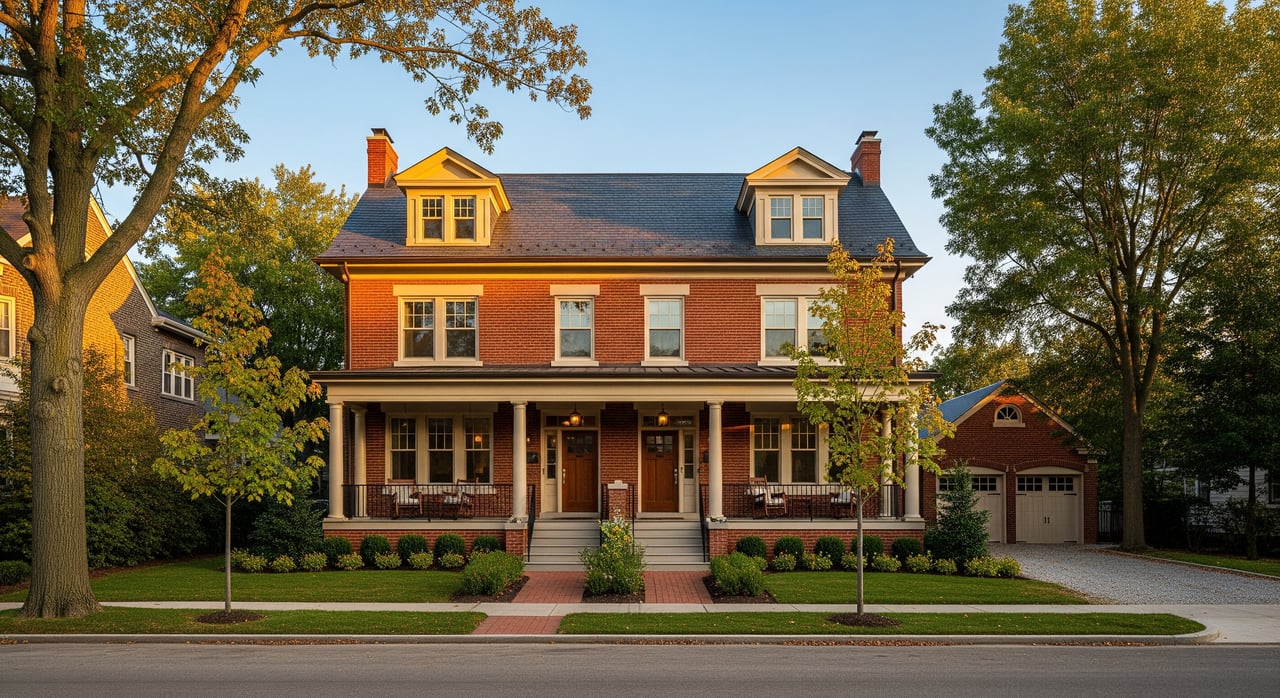
Thinking about buying a duplex in Springfield but not sure where to start? You’re not alone. With steady rental demand and approachable prices, two-unit properties can be a smart way to build cash flow here. In this guide, you’ll learn what drives Springfield’s duplex market, how to finance and underwrite a deal, the local rules to know, and the practical steps to buy and operate with confidence. Let’s dive in.
Why Springfield duplexes attract investors
Springfield’s economy is anchored by state government, major healthcare systems, and the University of Illinois Springfield. That mix tends to support stable employment and consistent rental demand, which helps two-unit properties stay occupied.
Compared with large coastal cities, Springfield is a secondary market with generally lower purchase prices and rents. That can mean cap rates and cash flow potential that appeal to value-focused buyers. Appreciation and liquidity can be more modest, so it helps to prioritize sound cash flow and conservative underwriting.
Location matters. Duplexes near downtown, major hospitals, or the UIS campus often draw steady interest from small households and mid-income renters who value short commutes and access to services.
Where duplexes perform best
- Proximity to employment centers. Being close to the State Capitol area, hospitals, or UIS usually supports stronger demand and faster lease-ups.
- Neighborhood context. Outlying areas can offer lower purchase prices, but may also have lower rents or longer marketing times. Research each micro-market before you buy.
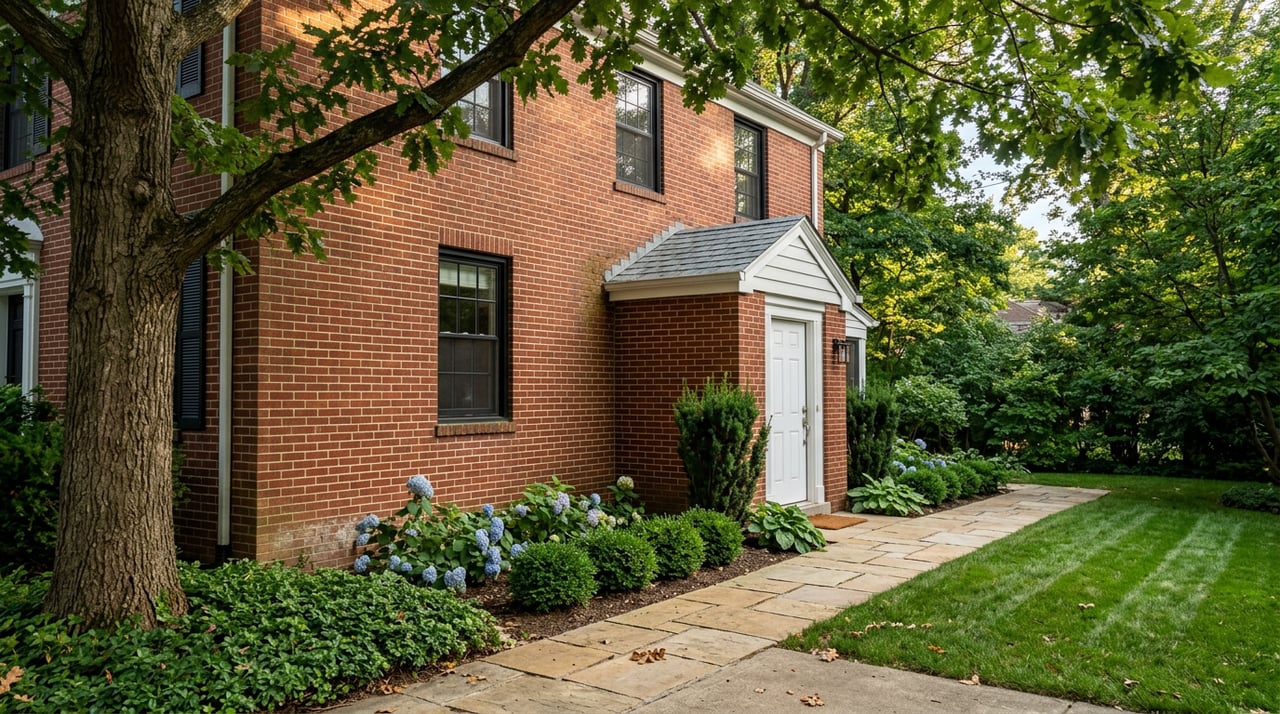
- Property age and condition. Many duplexes here are older conversions or mid-century builds. Expect potential updates to electrical, HVAC, kitchens, and baths. Budget for lead-safe practices in homes built before 1978.
- Livability factors. Evaluate access to groceries, retail, transit, and on-street parking rules. Neutral, factual data about schools and neighborhood amenities can help you forecast turnover and marketing time.
If you want to dig into local rules or zoning, the City of Springfield’s official site is a good starting point for permits and planning questions. You can find city contacts and resources at the City of Springfield website.
How to finance a duplex
Owner-occupant options
If you plan to live in one unit and rent the other, you may qualify for more favorable terms.
- FHA financing. FHA loans allow 2–4 unit purchases for owner-occupants, with low down payment options. Some buyers also use FHA renovation financing when a property needs work. Learn more about FHA programs through HUD’s official site.
- VA financing. Eligible veterans and service members can use VA loans for 1–4 unit properties with owner-occupancy. Review eligibility and benefits on the VA Home Loans site.
Conventional and investment loans
- Conventional owner-occupant mortgages are widely available for duplexes, with underwriting that differs from single-family loans.
- Non-owner-occupied loans typically require larger down payments and evaluate the property’s income under debt-service standards. Terms vary by lender, so it pays to compare quotes with a local mortgage professional.
Renovation financing
If your target duplex needs updates, ask lenders about renovation options. FHA has rehabilitation programs for owner-occupants. Some conventional lenders and local banks offer rehab components or lines of credit. Costs are higher for private hard-money loans, which are often used for short-term, value-add projects.
Underwrite the deal like a pro
Before you make an offer, pressure-test the numbers with local rent and expense data. A property manager can validate rent comps and typical vacancy for the specific unit sizes you are modeling.
Key metrics and formulas:
- Gross Rent Multiplier (GRM) = Purchase Price / Gross Annual Rent
- Capitalization Rate (Cap Rate) = Net Operating Income (NOI) / Purchase Price
- Cash-on-Cash Return = Pre-tax Cash Flow / Cash Invested
- Debt Service Coverage Ratio (DSCR) = NOI / Annual Debt Service
Use current local comps rather than advertised or pro forma figures. Rents, expenses, and vacancy rates vary by neighborhood and property condition. For high-level demographic and housing context, the U.S. Census QuickFacts portal is a helpful starting point. For hyper-local rent and vacancy insights, lean on a Springfield property manager’s on-the-ground data.
Springfield-specific legal and tax basics
Landlord-tenant law in Illinois
Illinois statutes govern deposits, notices, and the eviction process. Timelines are judicial, so factor in legal procedures when modeling risk. For plain-language overviews, see the Illinois Attorney General’s site. For statutory language, visit the Illinois General Assembly website and review current landlord-tenant statutes.
Follow Fair Housing rules in all advertising and screening. Consistent, neutral criteria and clear documentation help you stay compliant.
Zoning, permits, and rental rules
Duplexes are permitted only in certain zones. Always confirm the parcel’s zoning and whether a duplex use is legal. If the property is a conversion, verify that permits were issued and the use is recognized by the city. Start with the City of Springfield website to locate Planning and Zoning contacts and permit information.
Property taxes and assessments
Property tax rates vary by taxing district. Non-owner-occupied properties may not qualify for certain exemptions available to owner-occupants. Review assessment history, current exemptions, and the appeal process through the Sangamon County website.
Lead paint, safety, and disclosures
For homes built before 1978, federal law requires lead-based paint disclosures for sales and leases. Learn about lead-safe practices and compliance through the EPA’s Lead Program. Provide all required disclosures and pamphlets when leasing or selling pre-1978 properties.
Insurance and flood risk
Standard landlord policies include dwelling coverage, liability, and loss-of-rent options. Older buildings may benefit from ordinance and law coverage or specialty endorsements. If a property lies in a FEMA flood zone, you may need separate flood insurance; check your risk on the FEMA Flood Maps page.
Due diligence and operations checklist
Use this list to keep your duplex purchase on track.
- Rent roll and leases. Verify current rents, lease terms, renewal dates, and security deposits. Match deposits to what is held in trust. Confirm any concessions or credits.
- Operating statements. Separate unit-by-unit utilities and landlord-paid items. Review taxes, insurance, maintenance, landscaping, snow removal, and management fees if applicable.
- Physical inspection. Assess roof, foundation, windows, electrical panels, plumbing lines, HVAC, appliances, and life-safety items. Consider radon, mold, and pest inspections where indicated.
- Title, survey, and zoning. Order a title search. Confirm lot lines, easements, and that the property is legally recognized as a duplex.
- Permits and code. For conversions, confirm historical permits and final inspections. Identify any open violations.
- Rehab scope and budget. Get multiple contractor bids and include a 10–20 percent contingency on older buildings.
- Management plan. Decide whether to self-manage or hire a local manager. If hiring, confirm fees, leasing charges, screening process, and maintenance response times.
- Vacancy and turnover. Set realistic expectations for leasing time, refreshing units between tenants, and minor repairs.
- Insurance review. Work with an insurance agent who understands small multifamily and can advise on endorsements.
Risks and how to manage them
- Market and liquidity risk. Secondary markets can have slower appreciation and smaller buyer pools. Focus on cash flow and conservative leverage.
- Regulatory risk. Rules for rentals and eviction can change. Stay in touch with city and county offices, and consult an attorney for updates on statutes and procedures.
- Physical risk. Older buildings can hide costly issues. Do thorough inspections and maintain adequate reserves.
- Tenant risk. Even with a stable job base, late payments happen. Use consistent screening, enforce the lease, and keep a cash buffer for nonpayment and legal costs.
Next steps and local resources
- Validate your numbers. Use the U.S. Census QuickFacts for baseline population and housing data, then ask a local property manager for rent and vacancy comps by unit size.
- Check local rules early. Confirm zoning and permit requirements on the City of Springfield website. For taxes and assessments, start at the Sangamon County website.
- Explore financing. Review owner-occupant options at HUD’s site and VA Home Loans. Then compare terms with a local lender.
- Build your team. Line up an inspector, attorney, insurance agent, and either a property manager or trusted contractors for repairs.
Ready to evaluate specific Springfield duplexes, arrange showings, or pressure-test a deal? Our local team can help you source comps, coordinate inspections, and connect you with trusted lenders and contractors. Reach out to Cindy Grady II, Inc. for a friendly, no-pressure consultation.
FAQs
Can I use an FHA or VA loan to buy a Springfield duplex?
- Yes. FHA and VA programs allow eligible owner-occupants to finance 2–4 unit properties; review details on HUD’s site and VA Home Loans and confirm specifics with your lender.
Are duplexes legal on any parcel in Springfield?
- No. Zoning controls whether a duplex use is permitted; verify parcel zoning and past permits with the City of Springfield before you make an offer.
What rent should I expect for a duplex in Springfield?
- Rents vary by unit size, condition, and proximity to jobs and amenities; validate with recent comps from a property manager and current listings before underwriting.
What returns are reasonable for Springfield duplexes?
- Returns depend on the property and micro-market; use cap rate, cash-on-cash, and DSCR modeling with local comps and realistic expenses to set targets.
Will my property taxes be higher if I do not live in the duplex?
- Possibly; some exemptions apply to owner-occupied homes and may not apply to investments, so review assessments and exemptions at the Sangamon County website.
What inspections and disclosures are required for older duplexes?
- Pre-1978 properties require federal lead-based paint disclosures, and many renovations need permits and inspections; review lead guidance at the EPA Lead Program and confirm permits with the city.