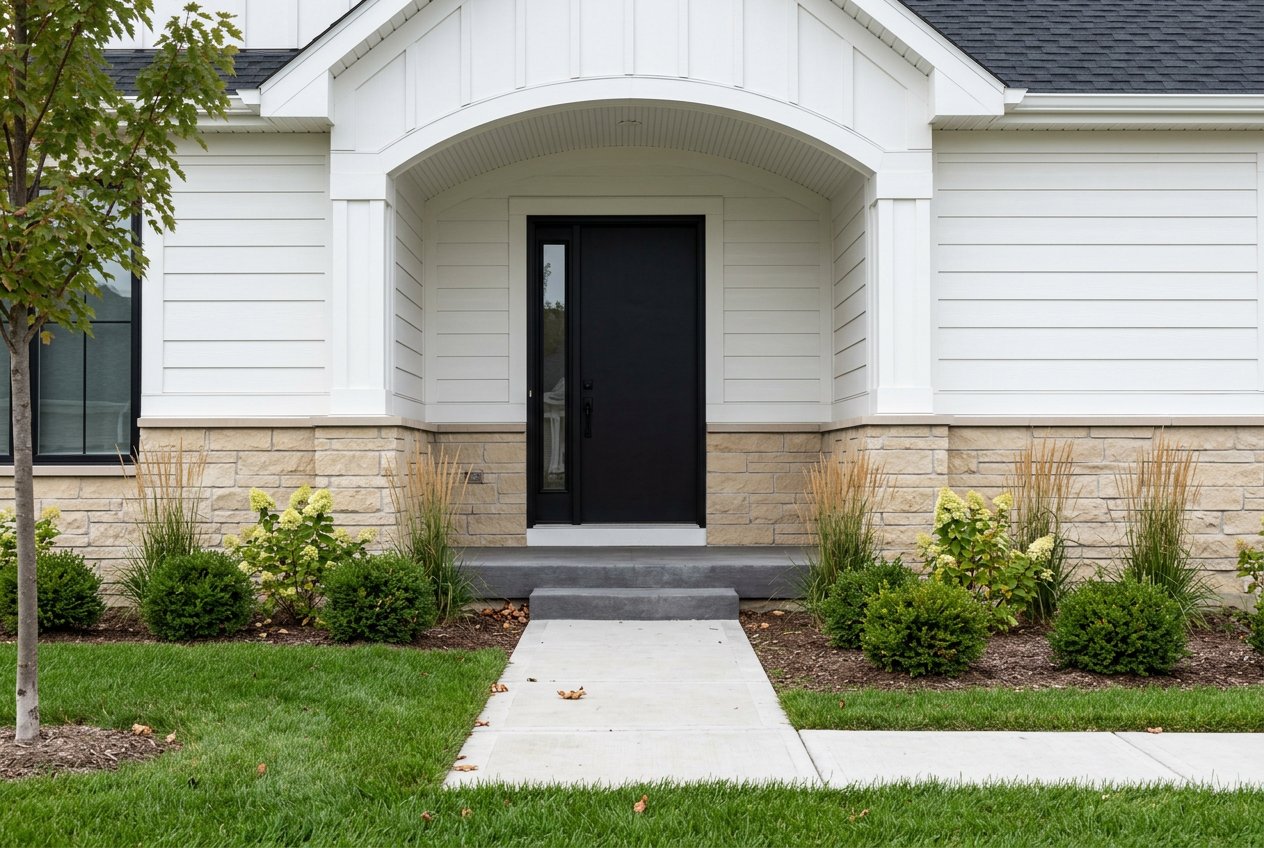
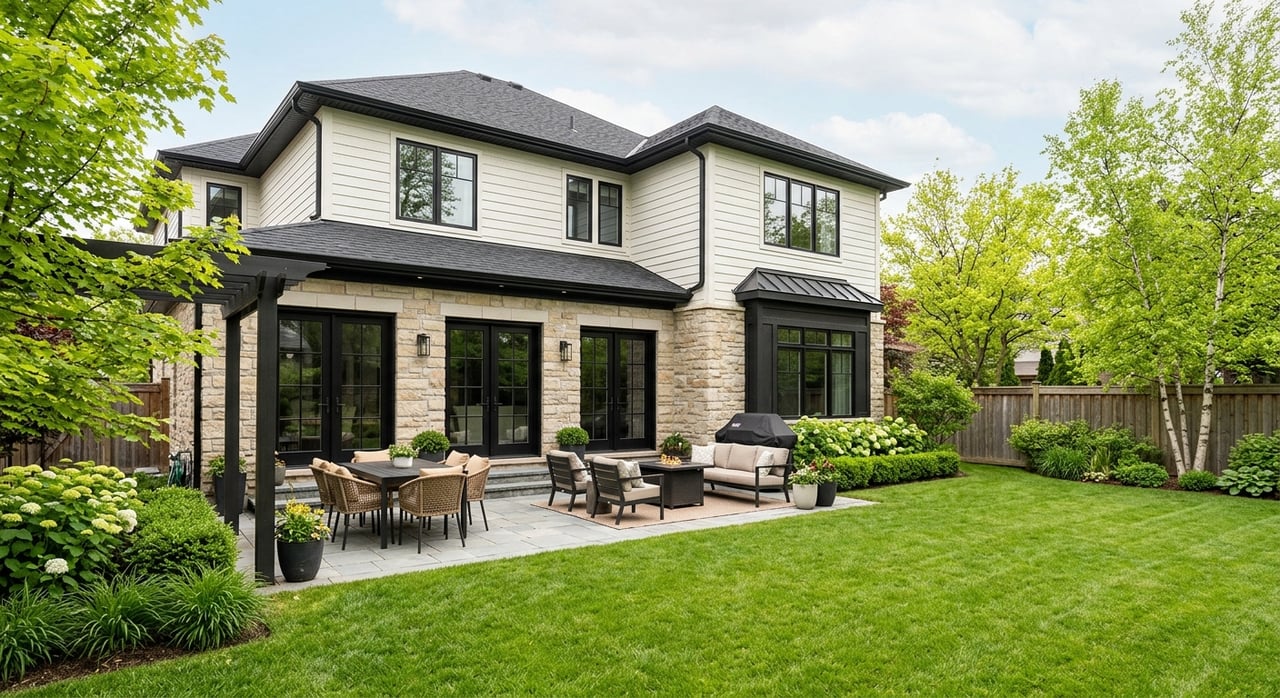
You know Rochester is the right fit. Now you are weighing a shiny new build against a move‑in‑ready resale and wondering which one truly suits your budget, timing, and long‑term plans. It is a big decision, and the local details matter.
In this guide, you will compare real costs and timelines, see where new homes are going up, learn how to vet a builder, and get a practical inspection checklist for established neighborhoods. You will finish with a clear decision framework and next steps for the Rochester market. Let’s dive in.
Rochester market at a glance
Rochester’s home prices have recently hovered in the low to mid $300,000s, with a small overall housing stock and a noticeable share of homes built in the 2010s and 2020s. New homes and quick‑move spec options have been active in the last few years, especially in edge‑of‑village subdivisions.
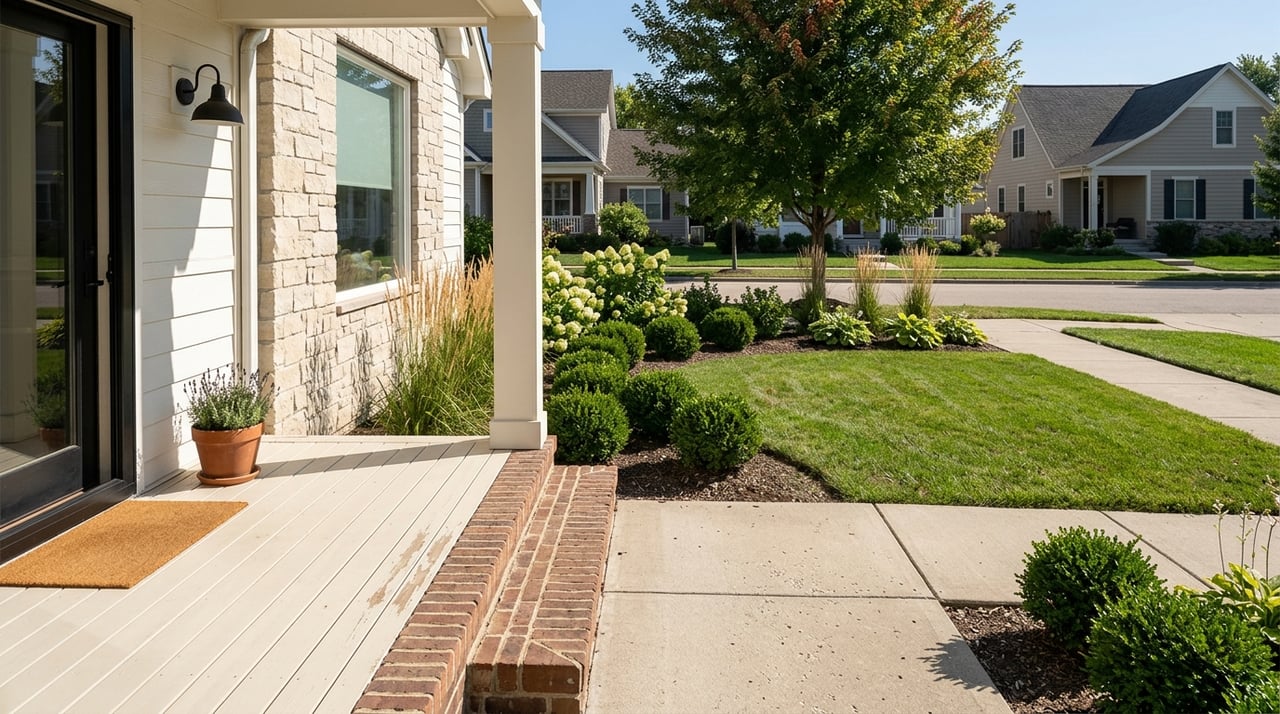
New construction tends to cluster near recent subdivisions such as Oak Mill Estates around Waterwheel Drive and nearby streets. Lots in these areas range from compact infill sizes to larger parcels farther out, and many communities have modest HOA fees. Always confirm subdivision names and rules with the village or the listing agent before you commit.
Rochester Community Unit School District 3A is a common reason buyers choose the village. You can review the district at the Rochester CUSD 3A site and the Illinois Report Card district snapshot. For budgeting, factor in Sangamon County’s effective property tax rates and estimate parcel‑level taxes through the county resources summarized on AppealDesk’s Sangamon page.
New construction: pros and cons
Building new can be a great fit if you value contemporary layouts, energy‑efficient systems, and warranty coverage. It also comes with a different timeline and contract structure than resale.
Advantages of new construction
- Lower near‑term maintenance. New roofs, HVAC, and insulation standards can reduce early ownership costs.
- Warranties add protection. Many builders use a common 1‑year workmanship, 2‑year systems, and 10‑year structural pattern. Review the actual coverage in the builder’s warranty document and who backs it. You can preview typical terms using this sample home builder warranty resource.
- Personalization. You can choose a floor plan and option packages that fit your lifestyle.
Tradeoffs to plan for
- Timeline. A built‑for‑sale home often takes about 6 to 12 months, depending on weather, permitting, and materials. Learn the typical stages in this step‑by‑step build timeline overview.
- Upgrade costs. Builder markups on options can add up quickly. Ask for a written upgrade price list and change‑order policy before you sign.
- Financing structure. Some builders encourage a preferred lender or offer incentives. If you are financing a ground‑up build, review construction‑to‑permanent options and how draws work with this consumer guide to construction loans.
Existing homes: pros and cons
Buying resale is ideal when you want to move on a shorter timeline or prefer an established neighborhood with mature landscaping and proven resale history.
Advantages of resale
- Faster closings. Most purchases close in 30 to 60 days after contract, which is helpful if you have a firm move date.
- Established streetscapes. You can see traffic patterns, tree cover, and nearby amenities today rather than waiting for a subdivision to fill in.
- Value opportunities. If you are open to light updates or renovations, you can target homes priced below a new‑build premium and focus your budget on the features you care about most.
Tradeoffs to plan for
- System ages vary. Roofs, HVAC units, and water heaters may be closer to replacement. Use your inspection to plan maintenance timelines and negotiate credits.
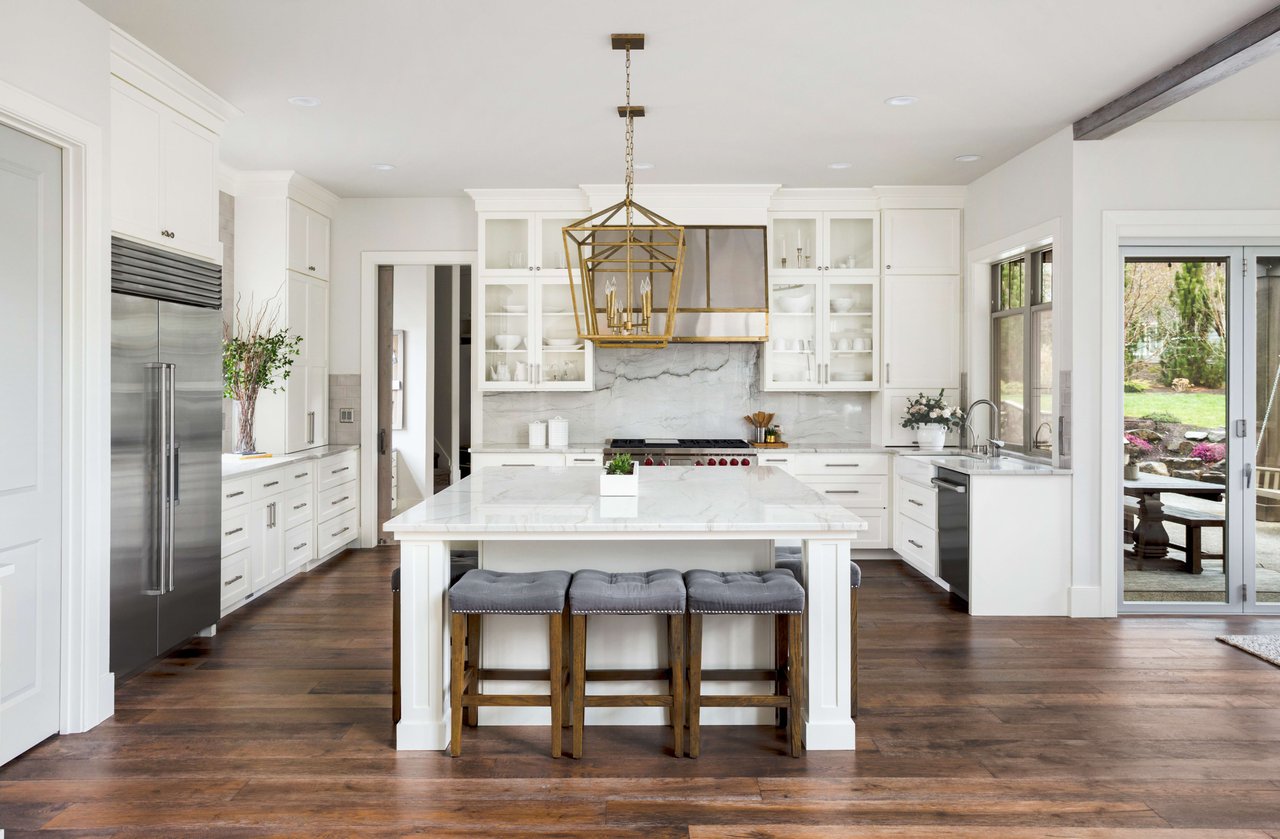
- Floor plan may not be modern. Some homes will need layout tweaks to achieve today’s open‑concept preferences.
Where new builds are happening in Rochester
New homes continue to concentrate on the village edges where utilities and streets are already in place, including areas close to IL‑29 and recent subdivision infrastructure. Recent listings show activity in Oak Mill Estates along Waterwheel Drive and nearby streets, plus small projects with duplex or attached townhome products.
What to know as you scout lots and models:
- Product mix. Expect a blend of single‑family homes, occasional duplex or townhome units, and custom builds on larger lots.
- HOA and assessments. Ask early about HOA fees, planned amenities, and any developer assessments tied to future improvements.
- Verify details. Confirm subdivision names, plats, and HOA rules with the village or listing agent. For exact build‑out plans, the village planning department is the definitive source.
How to evaluate a builder and a new‑construction offer
Treat a builder interview like you would any major contractor decision. A little homework can save time and protect your budget.
What to ask and verify
- Portfolio and references. How long has the builder operated in Sangamon County? Ask for at least three recent buyers in the same subdivision. The NAHB’s site can help you locate industry resources and local HBA contacts.
- Business health. Request proof of insurance and ask about third‑party structural warranty providers.
- Itemized pricing. Get the base price and options in writing, with a clear change‑order process. Consumer law guides stress written contracts and milestone‑based payments.
- Warranty terms. Ask for the full warranty document and confirm what is covered at year 1 versus year 2 versus structural coverage through year 10. See common structures in this warranty overview.
- Inspection rights. Confirm you can bring an independent inspector for key phases such as pre‑drywall and final walk‑through. This new‑home inspection checklist outlines typical punch‑list items.
- Financing and incentives. Learn whether there is a preferred lender, what incentives are offered, and how construction draws will be handled if you are building from scratch.
Red flags to watch
- Large nonrefundable deposits that exceed normal escrow practice.
- Vague completion dates without remedies for significant delays.
- No independent warranty provider or refusal to allow independent inspections.
- Numerous unresolved complaints in public records.
What to check in established neighborhoods
A thorough inspection can help you budget, negotiate repairs, and understand near‑term maintenance.
Key systems and common issues
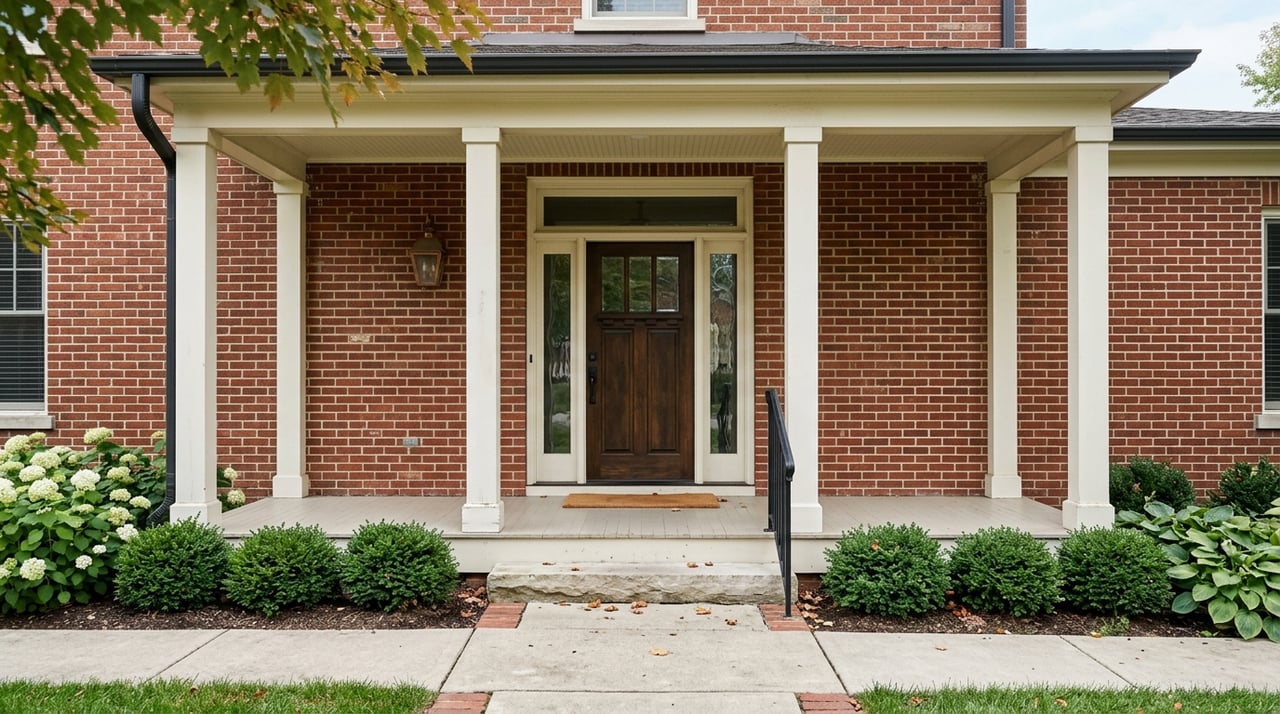
- Roof and attic. Assess age, shingle condition, ventilation, and any signs of leaks.
- Foundation and grading. Look for cracks, signs of heave, and drainage issues that could lead to wet basements.
- Mechanical systems. Check the HVAC age and service records, water heater, and electrical panel size and labeling.
- Electrical safety. Note any ungrounded circuits or older wiring types that may require updates.
- Plumbing. Ask about supply piping types and consider a sewer‑scope if the home or street is older.
- Environmental items. Lead‑based paint rules apply to homes built before 1978, and radon testing is common in Illinois. See this straightforward home inspection checklist to prepare.
Inspection best practices
- Hire a licensed, certified inspector and attend the walkthrough. You will learn a lot in a short time.
- Consider specialty tests such as radon, sewer‑scope, or mold if your inspector flags concerns.
- Use the report to negotiate. You can request seller repairs, a credit, or a home warranty based on findings.
Cost, timing, and value: how to choose
Use this simple decision checklist if you have chosen Rochester but are deciding between a new build and an existing home.
- Timeline. Need to move within 60 days? A resale is usually the better fit. If you can wait 6 to 12 months and want customization, new construction is feasible. For build timing basics, review this construction timeline guide.
- Budget tolerance. If your budget supports a premium for new systems and finishes, new construction delivers low‑maintenance living. If you want a lower entry price or plan to renovate, look at resale.
- Customization priority. If a personalized floor plan matters most, pick new construction and plan for upgrade costs. If you prefer value and flexibility, buy resale and remodel where it counts for you.
- Risk tolerance. If delays would be a major hardship, go resale. If you can absorb permitting or weather delays, a build can work.
- Long‑term factors. Estimate parcel‑level property taxes through county resources compiled on AppealDesk’s Sangamon page, and confirm school boundaries directly with Rochester CUSD 3A before you write an offer.
Actionable next steps
- Ask your agent for an inventory map of active lots, reserved parcels, and planned public improvements.
- If you are considering a builder: request the written warranty, upgrade price list, references, and a punch‑list policy. Insist on independent inspections at key milestones.
- If you are considering resale: line up your inspector and likely specialty tests before you waive inspection contingencies.
- For any property: verify taxes, HOA rules, and any planned assessments in writing.
Final thoughts
There is no one‑size‑fits‑all answer. In Rochester, new construction offers modern features and warranty peace of mind, while established homes deliver speed, character, and proven neighborhood patterns. Your best choice comes down to timing, budget, and how much you value customization versus immediate convenience.
When you are ready, partner with a local team that knows the subdivisions, builders, and resale streets inside and out. With coordinated showings, builder vetting, contractor referrals, and end‑to‑end transaction management, you can move forward with confidence. Reach out to Cindy Grady II, Inc. to compare options, map out a strategy, and take your next step in Rochester.
FAQs
How do new‑build prices compare to existing homes in Rochester?
- New homes often sell at a premium to similarly sized older homes due to modern finishes and systems. Rochester’s overall prices have been in the low to mid $300,000s, so weigh the premium against your upgrade priorities and maintenance savings.
How long does a new home typically take to build?
- Many production or spec builds take about 6 to 12 months, depending on weather, permits, and materials. See a typical stage‑by‑stage outline in this build timeline guide.
Where is most new construction happening in Rochester?
- Recent activity is focused at the village edges where utilities and roads are in place, including subdivisions like Oak Mill Estates around Waterwheel Drive. Confirm current plats, HOA rules, and build‑out plans with the village or your agent.
What should I ask a builder before I sign a contract?
- Request references, proof of insurance, an itemized price and options list, the full warranty document, inspection rights, and a payment schedule tied to milestones. Industry resources at NAHB can help you frame questions.
What inspections do I need for an older Rochester home?
- Start with a licensed whole‑home inspection and consider radon, sewer‑scope, and mold tests as needed. Use this inspection checklist to prepare and prioritize.
How do Sangamon County property taxes affect my payment?
- Effective tax rates locally are higher than the national average. Estimate parcel‑level taxes and potential appeals using county resources compiled on AppealDesk’s Sangamon page, then build those costs into your monthly budget.